Showing posts with label HEALTH. Show all posts

Wednesday, January 20, 2021

What To Do With That Leftover Dry Cheese We All Have In The Fridge


What To Do With That Leftover Dry Cheese We All Have In The Fridge


Something must living and breathing humans can agree on is that cheese is spectacular. Enjoyed alongside some fruit, crackers, and wine? Delightful. Melted on top of bread? Fantastic. Grated on top of pretty much anything? The best.

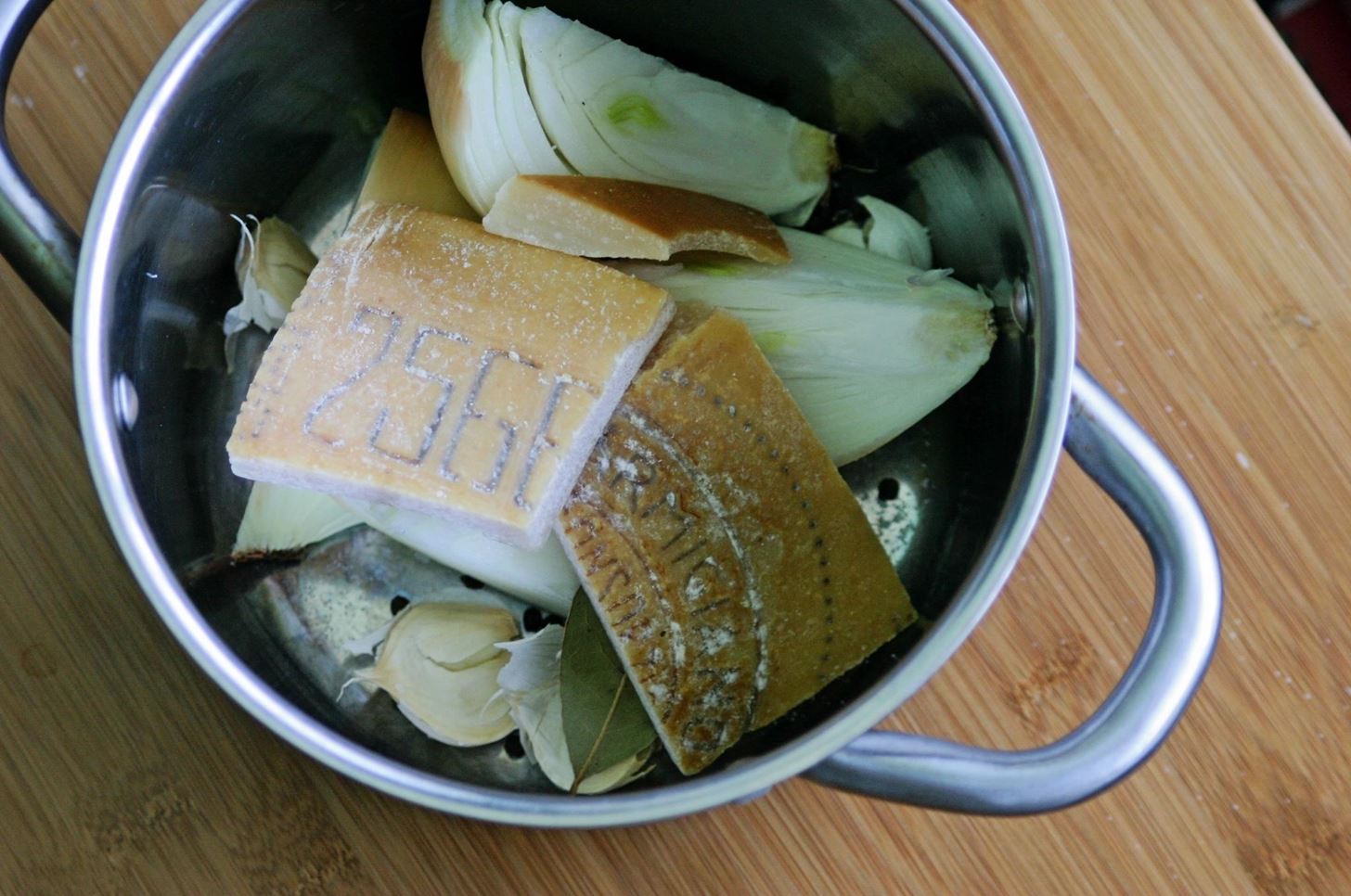
Leftover Cheese Rinds

Leftover Cheese Rinds

Yet somehow, it seems like all of us end up with dry cheese scraps that just sits in the fridge. Each time we open the door, we avoid looking at it, fearing that the stress of not knowing what to do with it will take over. Don’t worry, we’re here to tell you exactly what you can do with it.

Cheese is the wonderful combination of preserved fat and milk protein. What’s confusing is that cheese doesn’t go bad in the same way that other food products do, so sometimes expiration dates end up being more confusing than helpful. A helpful guide: the less water in the cheese, the lower the chance of it going bad.

Fresh mozzarella and goat cheese can go off, while Brie, Gruyere, Cheddar, and Taleggio transform. What does that mean? The question really is if they are still appetizing or not.

French Cheese Selection

French Cheese Selection

Cheeses like Brie will start to smell like ammonia and may have some mold growing. Additionally, the cheese can start looking dry. As long as there is no red or black mold on the cheese, it is fine. Leaving the cheese at room temp for a bit will help rid the ammonia smell. Mold that’s blue, green, white, or grey can simply be cut off. Leftover rinds can be used to deepen flavors of soups and stocks.

Dried cheeses can often reveal a soft interior when trimmed. If you find that the whole piece is dry, put it through the food processor and keep it in a ziploc baggie. It will be perfect for topping roasted vegetables, salads, and anything else you desire.

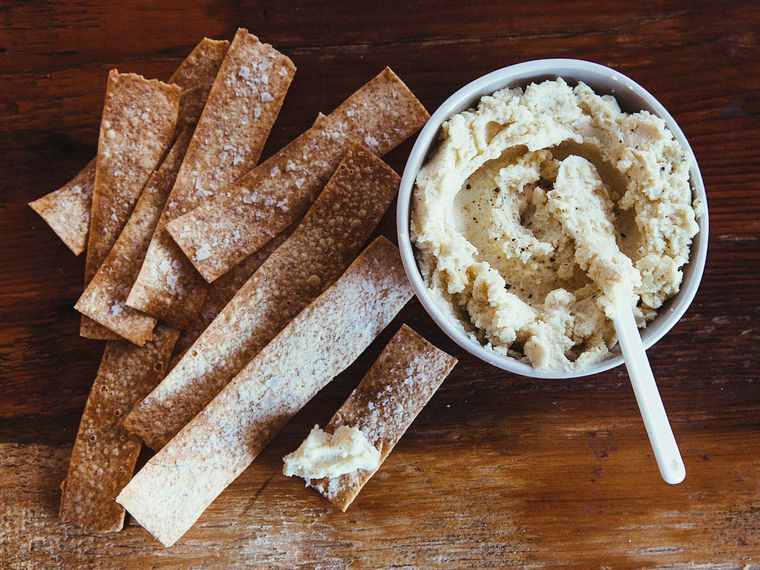
Another great use for this dry cheese is a Parisian tradition called fromage fort. Translated to “strong cheese,” this dip is the perfect solution for leftover cheese scraps. The only cheese you want to avoid using in this dip is bleu cheese, as its flavor tends to overpower any other flavor.

Fromage Fort

Fromage Fort

The best part of this dip is that it is highly customizable based on whatever your personal preferences are, as well as what you’ve got on hand. Add in butter or creme if you only have hard cheese on hand. You can also throw in olives, roast tomatoes, bacon bits, caramelized onions, and anything else that you like.

You can add in garlic, white wine, lemon zest, and herbs for flavoring. The dip blends everything together and you can then spread it on bread or crackers.

For Your Health: You Should Be Eating These 5 Omega-3 Rich Foods


For Your Health: You Should Be Eating These 5 Omega-3 Rich Foods


Omega-3 is has become quite the buzzword when it comes to healthy eating. We all know it’s supposed to be good for us and it has something to do with fish, but why exactly is it healthy and where can we find it exactly? Well, it’s really not so complicated.

Omega are fatty acids are long chains of fat (read: the good kind!) that are considered “essential” since our body does not produce them on its own.

They’re also associated with reducing risks for chronic diseases that include diabetes and heart disease, brain health issues, and inflammation. Omega-3s also help decease hunger levels, improve blood sugar regulation, and can help increase the effect of exercising while training to lose weight. Sounds pretty good, right?

Luckily, we don’t have to go much out of our way to find sources of Omega-3, as they’re found in many healthy foods. Researchers have found that getting your Omega-3s from consuming healthy foods is definitely better than getting them through supplements. You hear that? Time to eat up!

So which foods naturally contain high amounts of Omega-3s? Here are the top five:

Flaxseed Oil

Flaxseed oil contains about 7,258 mg of Omega-3 per tablespoon. That’s a hefty amount! You can incorporate flaxseed oil into your diet by drizzling some over your salad. Flax seeds have also been found to aid in cardiovascular disease symptoms, which include hypertension.

Flaxseed Oil

Flaxseed Oil

Wild Salmon

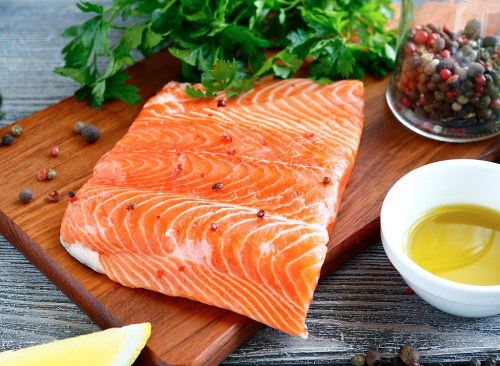
Just half a salmon fillet (that weight approximately 198 grams) contains 3,428 mg of our trusty Omega-3s! For comparisons sake, if you take one Omega-3 supplement pill, it contains less than one third of the amount you’ll get from an actual meal of salmon. Take that into consideration next time!

Wild Salmon

Wild Salmon

Mackerel

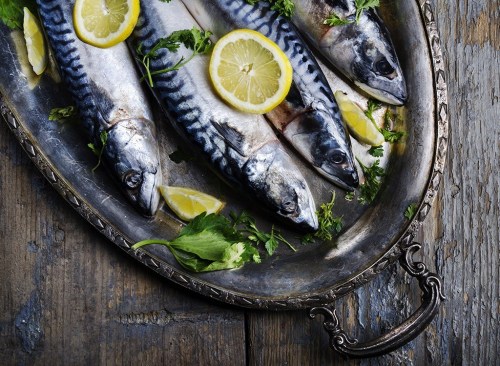
As stated elegantly in the New York Times, “mackerel is milder than salmon, [but] just as delectable.” In one 4 oz fillet of mackerel, you’ll be consuming 2,753 mg of Omega-3s. This is a bit less than its salmon counterpart, but for those of us who enjoy white fish, this is still great news. So enjoy some mackerel and know that you’re also consuming the anti-inflammatory nutrient by doing so.

Mackerel

Mackerel

Walnuts

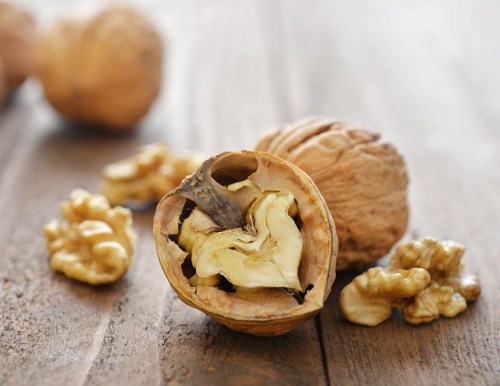
Snack on a quarter cup of shelled walnuts and you’ll be taking in 2,656 mg of Omega-3s. The most Omega-3 nutrient rich nut, walnuts also offer high levels of other disease-fighting antioxidants. Walnuts can help reduce blood pressure as well as reduce blood vessel inflammation during periods of high stress.

Walnuts

Walnuts

Flax Seeds

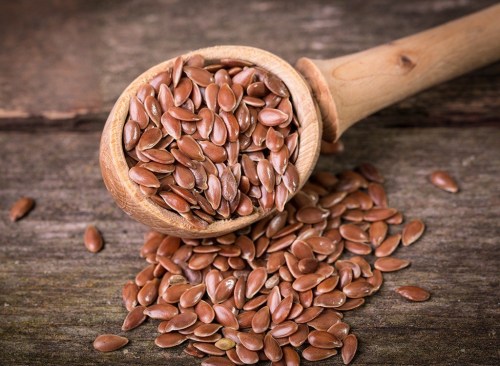
In one tablespoon of flax seeds, you’ll find 2,350 mg of the nutrient. The best way to get the most out of flax seeds is to grind them up, as they can tend to be tough to digest. Just like the oil version, you’ll get plenty of Omega-3 benefits from incorporating flax seeds into your diet.

Flax Seeds

Flax Seeds

This Coffee Hack Is Both Delicious And Nutritionist Approved

This Coffee Hack Is Both Delicious And Nutritionist Approved


Many people simply cannot function without constantly guzzling cups of coffee. However, despite the fact that so many of us seem like coffee addicts, there are people out there who simply do not enjoy drinking coffee. Yes, it’s true! Let’s backtrack a bit and explain…

Not Everyone Loves Plain Coffee

Not Everyone Loves Plain Coffee

Now, adding milk and sugar and delicious syrups with literally any flavor you can imagine will make pretty much anything more palatable. But we’re talking straight up coffee beans and water. No cream, syrups, or anything. Many people just do not enjoy the flavor of unflavored, unadulterated coffee. And if we’re being honest — that’s not so difficult to fathom.

Before you give up completely on plain ol’ coffee, we need to share a simple addition that can really make a massive difference. Best of all, it doesn’t include a drop of sugar or artificial flavorings. Can you guess what it is?

This Addition WIll Step Up Your Morning Coffee

This Addition WIll Step Up Your Morning Coffee

It tends to accompany pastries (like oversized buns) and goes hand in hand with sugar. Give up? It’s cinnamon! That’s right, the simple and aromatic spice is just what your cup of coffee is missing.

Sprinkle a tad of cinnamon into your coffee grounds before brewing your java, and experience the intoxicating aroma that will fill your kitchen. Once the coffee is ready, you’ll be able to taste how a sprinkling of cinnamon can you coffee taste less bitter and richer. You’ll also realize that you can completely skip adding cream and sugar and you won’t even miss it.

While we love adding cinnamon in our coffee because we love the taste, the spice sneakily adds in some health benefits too. A win-win! According to registered dietitian Lisa Hayim of the Well Necessities in NYC, “Cinnamon has been shown in some studies to lower insulin resistance, meaning that the spike in blood sugar after eating carbohydrate-containing foods was lower with the consumption of cinnamon. While this is important for diabetics to note, it may also be important for those trying to cut back on sugar.” She also noted that the spice is a great source of vitamin K, calcium, iron, and manganese.

We’d say that’s definitely a reason to try it out!

You Need To Try This

You Need To Try This

6 Veggies You Can Regrow From Discarded Roots


6 Veggies You Can Regrow From Discarded Roots


When it comes to cooking with healthy, fresh ingredients, we always end up facing the same issue: what to do with all of the roots we chop off of our veggies? Instead of tossing them in the trash, there’s actually something quite useful you can do with them, and it’ll save you a good chunk of change.

Regrow Veggies From Scraps

Regrow Veggies From Scraps

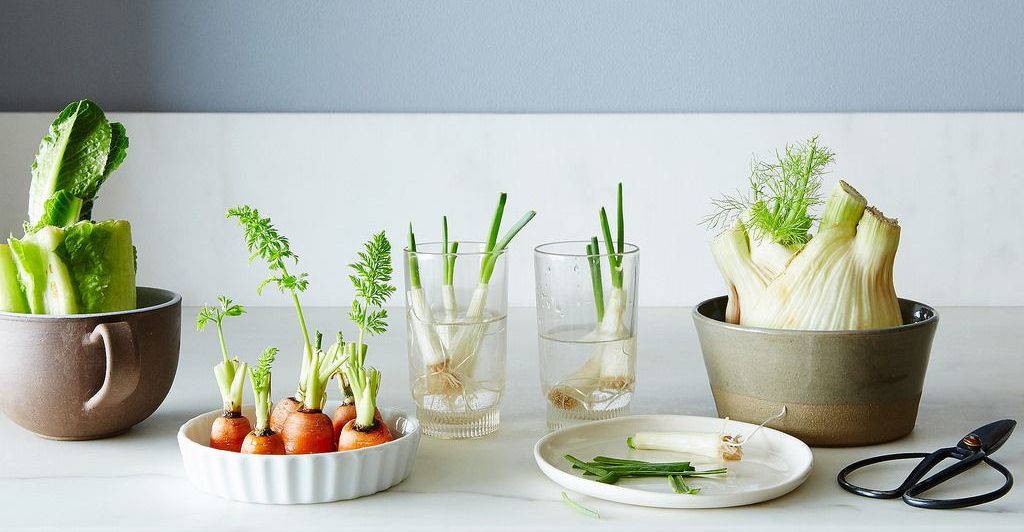
Regrowing green onions has become quite popular, and it’s easy to understand why: it’s very simple and fun to check on its growth progress on a daily basis. It’s also a great way to help avoid food waste. However, there are plenty of vegetables you can regrow for yourself at home using scraps.

Green Onion

Let’s start with the basics: green onions. These are the fastest plants to regrow and also the easiest. To do so, put the root and 1 inch of the white part in a bowl or jar, then fill it with enough water to cover up to halfway up the white part of the onion. Change out the water every 2 to 3 days. You’ll notice it growing within a day and after a week, you’ll have greens that you can use!

Green Onion

Green Onion

Romaine Lettuce

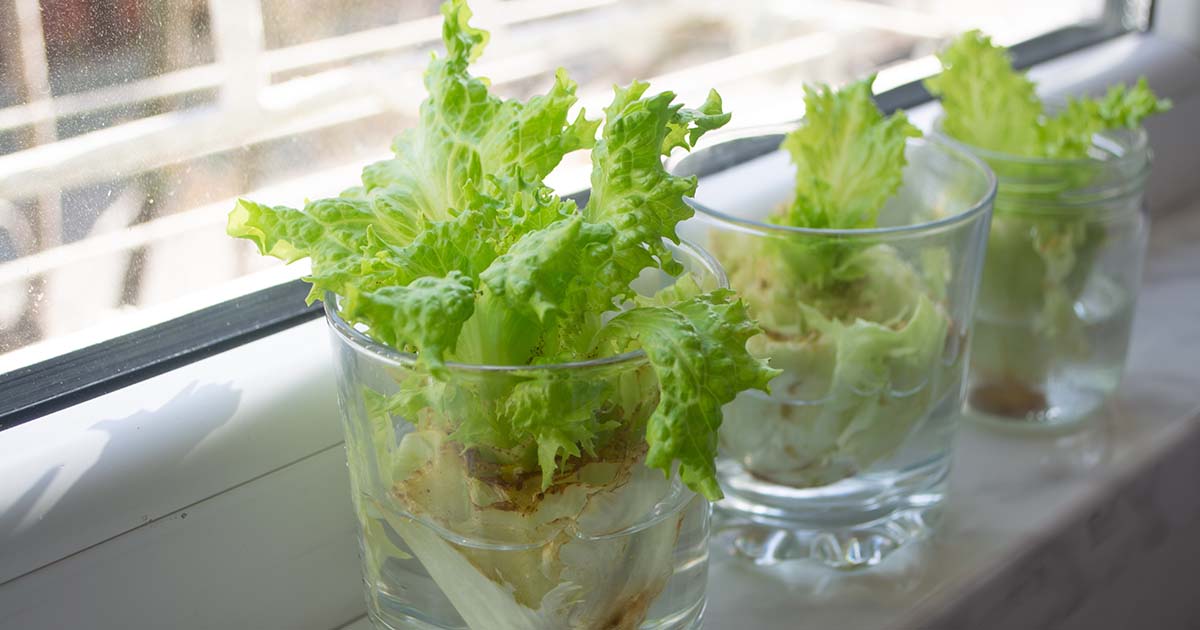
You can regrow romaine lettuce and also other lettuces bu placing the roots of it in a jar filled with at least 1 inch of water. Leave for a few days until it begins to grow, then transfer the roots into soil to continue growing the thriving plant.

Romaine Lettuce

Romaine Lettuce

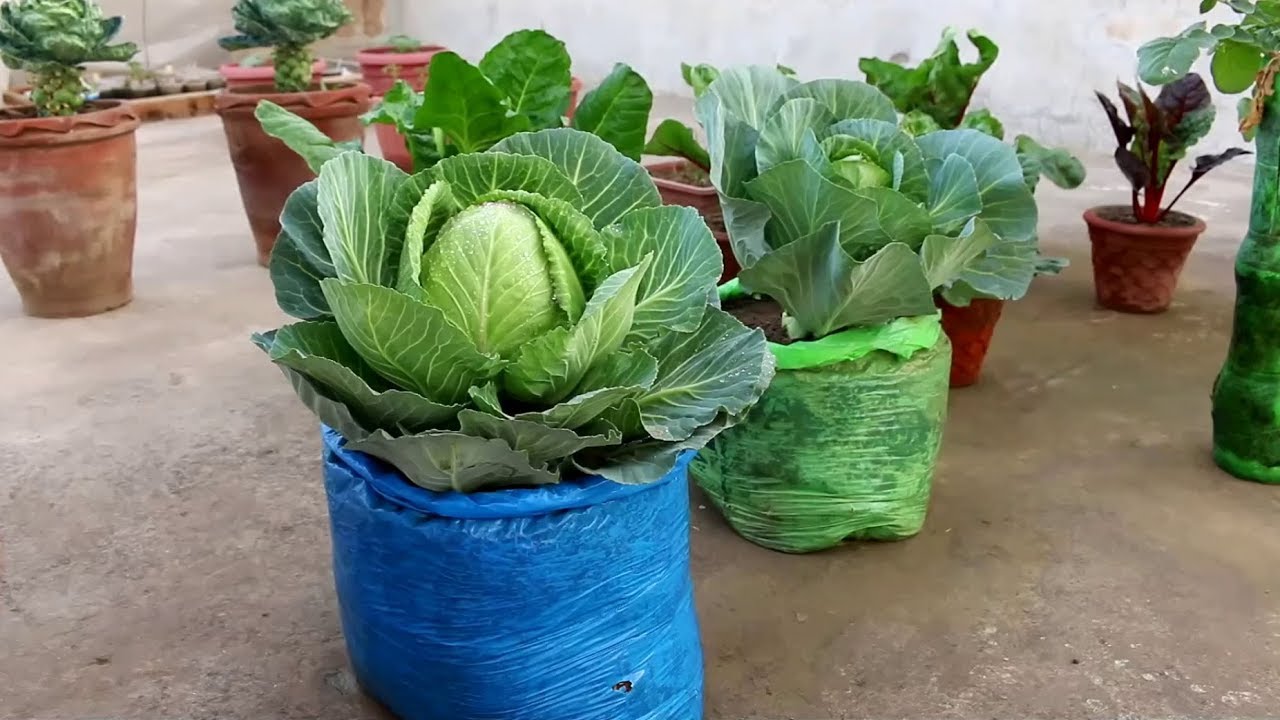
Cabbage

You can regrow cabbage in the same way that you regrow lettuce. Simply save a stump of the cabbage with its roots and place it in 1 inch of water. Then transfer the sprouting leaves into soil.

Cabbage

Cabbage

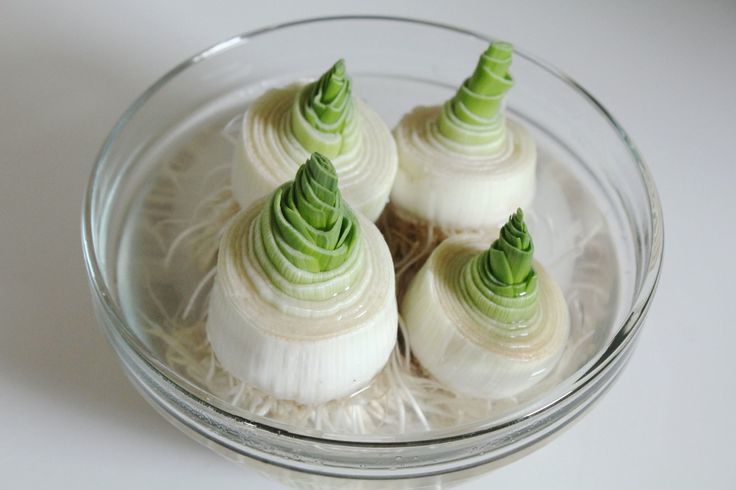
Leeks

Since leeks are actually directly related to green onions, they can be regrown using the same method. Place the root and about 2 inches of the white part in a jar with water that reaches about halfway up the white part. These will take a bit longer to regrow, but don’t give up! Make sure to keep changing out the water every 2 or 3 days.

Leeks

Leeks

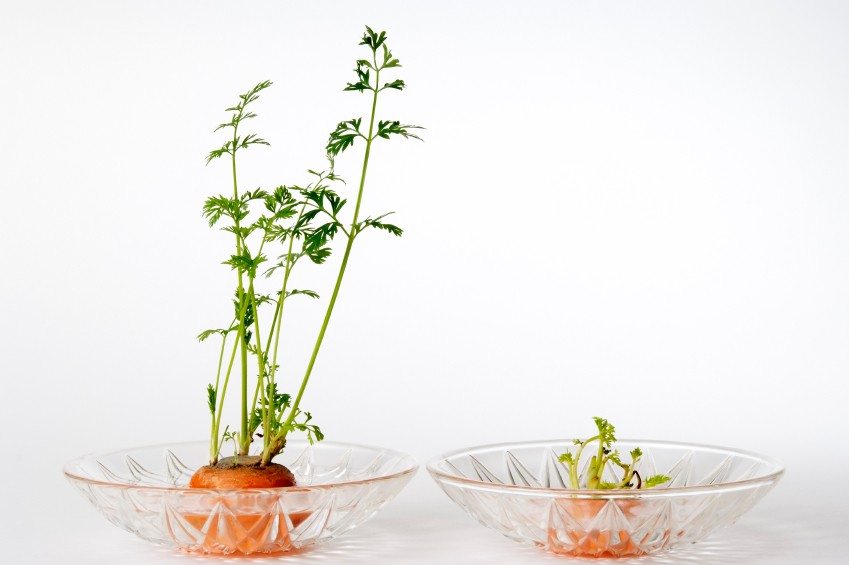
Carrot Tops

Cut a carrot at the top (the root) and place the piece, cut side-down, in a bowl of water. The leaves of the carrots will grow as opposed to the carrot itself, however, these leaves can be used in salads, be used as a garnish, or can even be put into a pesto. Simply change the water every few days.

Carrot Tops

Carrot Tops

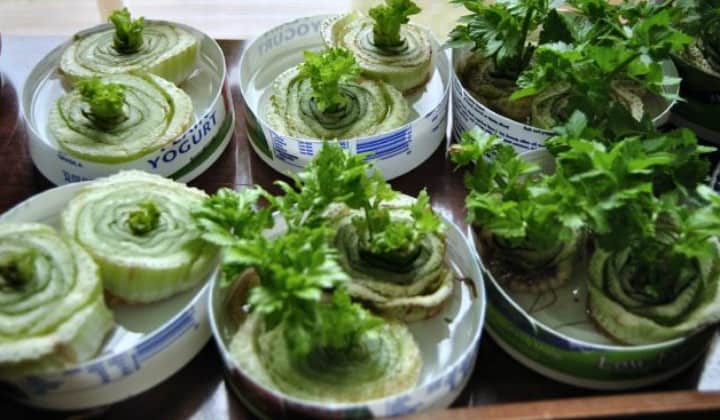
Celery

Celery can be regrown in the same way as the cabbage and romaine. Place the root end of the stalk in 1 inch of water. When the leaves will begin to sprout, wait about a week in order for the celery to become stronger. Make sure you change the water every few days. Once this process is done, you can replant the celery in soil. Celery leaves can also be used in salads.

Celery

Celery

Tuesday, August 22, 2017

Probiotics the key to CURING nut allergies for life


Peanut allergies are one of the most common food allergies, and one that children are often unable to grow out of. Though a recent study may be set to change that. Led by allergist and immunologist Professor Mimi Tang, a team of Australian researchers have uncovered a successful treatment for children with peanut allergies. Even more compelling is the fact that the experimental trial was carried out four years ago and yet its effects continue to protect the children from allergic reactions many years later.
The original clinical trial was carried out in 2013 at Murdoch Childrens Research Institute in Melbourne, Victoria. A total of 48 children were enrolled in the trial and were randomly given either a placebo or PPOIT, which stands for “probiotic with peanut oral immunotherapy”. This radical form of treatment was the combination of peanut protein and the probiotic lactobacillus rhamnosus. In lieu of avoiding peanuts in their entirety, Tang designed this based on the idea of reprogramming the immune system response to peanuts into eventual tolerance, the effects of which were further boosted by the presence of probiotics.
This occurred once daily over a period of 18 months. At the end of that stage of the trial, the researchers found that 82 percent of the children who received PPOIT had developed a tolerance to peanuts; by contrast, only four percent of the children from the placebo group had acquired the same tolerance. Following this, the children whom the researchers deemed peanut-tolerant were asked to consume peanuts for about four years after the trial’s conclusion.
During the follow-up, it was discovered that 80 percent of the PPOIT-treated participants continued to eat peanuts and 70 percent remained tolerant to peanuts well after the trial ended.
Tang has called the results, published in The Lancet Child & Adolescent Health, nothing short of “exciting” and “life-changing for the children.” Speaking to the DailyMail.co.uk, Tang commented: “We had children who came into the study allergic to peanuts, having to avoid peanuts in their diet, being very vigilant around that, carrying a lot of anxiety,” she said. “At the end of treatment, and even four years later, many of these children who had benefited from our probiotic peanut therapy could now live like a child who didn’t have peanut allergy.”
“These children had been eating peanut freely in their diet without having to follow any particular program of peanut intake in the years after treatment was completed,” Tang noted before adding: “This is a major step forward in identifying an effective treatment to address the food allergy problem in Western societies.” (Related: Probiotics taken during pregnancy decrease risk of allergies in kids.)

What is lactobacillus rhamnosus?

As a probiotic, lactobacillus rhamnosus is a beneficial type of bacteria typically obtained by eating fermented foods like yogurt. According to LiveStrong.com, probiotics work by releasing certain chemicals when broken down by the body. These chemicals inhibit the growth of harmful bacteria, in turn decreasing the risk of disease and infection.
What makes lactobacillus rhamnosus unique is its ability to boost immune system function. Consumption of this probiotic has been connected with increased phagocytic activity in perotineal cells and blood. Phagocytic activity, in turn, is essential to the health of any living organism since weak phagocytic activity will often times result in chronic fungal and bacterial infections.
Numerous studies carried out over the years pointed towards lactobacillus rhamnosus as a powerful combatant against allergies, so it comes as no big surprise that its inclusion in Tang’s treatment increased its efficacy and longevity.
Visit HealingArts.news for more stories.
Sources include:

Exposure to outdoor light at night can increase breast cancer risk, claim researchers


Women who reside in areas with plenty of outdoor lighting at night may want to reconsider their living situation. The researchers behind a recent Harvard study uncovered a link between higher levels of nighttime outdoor lighting and increased risk of breast cancer, reported the DailyMail.co.uk.
“In our modern industrialized society, artificial lighting is nearly ubiquitous. Our results suggest that this widespread exposure to outdoor lights during nighttime hours could represent a novel risk factor for breast cancer,” said Peter James, lead author and assistant professor at Harvard Medical School’s Department of Population Medicine at Harvard Pilgrim Health Care Institute.
For the purposes of their study, the researchers examined data from almost 110,000 women who were enrolled in the Nurses’ Health Study II between the years 1989 and 2013. They then linked satellite images of the Earth at night to the residential addresses of each participant. The researchers made sure to take into consideration factors such as the socioeconomic standing and health of the participants, as well as night-shift work.
The results, which have been published on Environmental Health Perspectives, revealed that women who were exposed to the highest levels of outdoor light at night had a 14 percent greater risk of developing the disease when compared to women who had the lowest levels of outdoor light. Moreover, the likelihood of breast cancer was stronger among women who worked the night shift. This suggests that night-shift work and outdoor light nighttime exposure contributed jointly to the risk.
However, the association was only present among pre-menopausal women and women who were current or past smokers. The exact mechanisms behind this are still unknown, and the researchers acknowledged that further work is required.
The proposed explanation behind this lay in the production of melatonin. This hormone helps control sleep and wake cycles, and is influenced by the body’s internal clock or circadian rhythm. Light can affect melatonin production: Light at night can decrease melatonin levels, while darkness boosts it. Even artificial light can cause melatonin levels to dip. Age is another factor that affects the production of this vital hormone. In the study, the researchers noted that lower melatonin levels have been found to heighten the chances of breast cancer. (Related: Melatonin could help prevent growth of breast cancer tumors.)

Boosting melatonin production the natural way

Fortunately, there are simple and natural means of increasing melatonin levels that anyone can do. These include:
  • Turning off all LED lights – LED lights give off a moderate amount of blue light, which have been shown to block melatonin levels. Cellphones, televisions, and laptop screens all produce blue light, so place these away from your bed to decrease your exposure to blue light. If that isn’t possible, then cover these up.
  • Eat more melatonin-rich or melatonin-promoting foods  Certain foods can positively impact melatonin production, like pineapplesbananasoranges, sweet corn, barley, and mangosteen. Tart cherries have a notable amount of melatonin in them, as does tart cherry juice.
  • Limit caffeine and alcohol intake – While caffeine is a stimulant, alcohol is a suppressant. Both of these beverages can reduce melatonin levels and should be consumed in limited amounts.
Go to Healing.news for more stories.
Sources include:

Wednesday, June 21, 2017

Mammals have a 12-hour biological clock distinct from the 24-hour circadian rhythm, researchers find

Image: Mammals have a 12-hour biological clock distinct from the 24-hour circadian rhythm, researchers find

Researchers revealed that, apart from 24-hour clocks, mammals and other organisms have autonomous 12-hour clocks that coordinate bodily functions such as blood pressure and body temperature. Not only can these 12-hour clocks be influenced by external factors, but disturbing them has also been linked to human disease. “Our lab has been working on how the 24-hour cycles are regulated, and we and others have shown that disturbing these clocks may lead to diseases of metabolism,” said senior author Dr. Bert O’Malley.
For the study, Dr. Bokai Zhu, first author of the study, performed a biological analysis on the activity of 18,108 mice liver genes. Following this,  researchers and co-authors Dr. Clifford Dasco and Dr. Athanasios Antoulas utilized a mathematical technique to identify 3,652 genes that were independent of the biological clocks of the mice. The researchers then looked at RNA sequencing data from two groups of mice, with one group lacking the master circadian clock gene. Both groups still showed perceptible 12-hour clock rhythms, suggesting that the 12-hour clock was indeed independent from the 24-hour circadian rhythm. Moreover, environmental cues that usually affected circadian rhythms, such as darkness and sunlight, were found to be ineffectual on 12-hour clocks.
“Of all the genes we analyzed, two sets with 12-hour cycles stood out; those involved with protein quality control and processing, which mainly occur in a cellular structure called endoplasmic reticulum, and those related to the energy supply of the cell, which involves the mitochondria,” Zhu explained to ScienceDaily.com. “The activities of the endoplasmic reticulum and mitochondria depend on each other, and we have shown here that the 12-hour genes in the endoplasmic reticulum are synchronized with the 12-hour genes in the mitochondria, which provide the energy needed for protein processing.”
O’Malley then added: “In addition, we found that certain liver conditions are associated with disturbed 12-hour gene expression in mice. We anticipate that further study of 12-hour cycles might lead to opportunities to improve prevention of or treatments for diseases of the liver and other organs in the future.” (Related: Research shows disruptions of the circadian clock influence our susceptibility to infection)
On the origins of the 12-hour clock, O’Malley and his colleagues have argued that it evolved separately from the circadian clock and may stem from our origins in the oceans. They came to this conclusion after look at data on the speckled sea louse (Eurydice pulchra), a species of isopod crustaceans with a 12-hour clock linked to the tides. The nematode roundworm Caenorhabditis elegans, a species of nematode possessing a circadian rhythm, was also included in the researchers’ analyses.

What is the circadian rhythm?

According to Sleep.org, the circadian rhythm is the body’s natural, internal system designed to regulate feelings of wakefulness and sleepiness over a 24-hour period. Also known as the body clock or sleep/wake cycle, this biological rhythm is controlled by the hypothalamus, a part of the brain that acts as the connector between the endocrine and nervous systems; additionally, the hypothalamus responds to light, such as sunlight. The circadian rhythm causes a person’s level of wakefulness to fluctuate throughout the day, and can vary from person to person. Age also affects the circadian rhythm.
Any changes to one’s sleeping habits can cause their circadian rhythm to fall out of balance, resulting in poor sleep and drowsiness. In order to keep the circadian rhythm functioning properly, it’s best to maintain a consistent sleep schedule. This would entail going to sleep and waking up at the same time daily, even during the weekends. Limiting exposure to artificial blue light from electronic gadgets is also recommended, as bright lights can confuse the brain into think that it’s still daytime.
Visit MindBodyScience.news for other studies and stories on the human body.
Sources include:

Tuesday, June 20, 2017

Researchers find that an egg a day can increase growth in young children


Adults aren’t the only ones who can benefit from eggs: Babies can as well. Researchers from Washington University in St. Louis found that giving a child an egg a day greatly reduces their chances of becoming stunted or underweight. Moreover, babies as young as six months can benefit greatly from consuming an egg daily.
For their 2015 study, which has been published in Pediatrics, the researchers went to the Cotopaxi Province in Ecuador and gave free eggs to the families of 83 infants, all of whom were between six to nine months, for a year. The control group of 80 infants were given none. Each week, the families were asked what the children were eating; nutrient levels were also tested. When the study concluded, the researchers noticed that group of infants who were given eggs were healthier than before. The number of underweight children in that group shrunk down by 74 percent while cases of stunting was reduced by 47 percent. When tested for nutrients, the egg group infants had higher levels of nutrients in their blood, including vitamin B12, a vitamin essential for the upkeep of several metabolic functions.
“We were surprised by just how effective this intervention proved to be,” lead author Dr. Lara Ianotti told the DailyMail.co.uk. In addition to the lowered cases of stunting, the infants from the egg group were also reported as being less likely to eat sugary foods.
On benefit of eggs, Ianotti said: “Eggs can be affordable and easily accessible. They are also a good source of nutrients for growth and development in young children. Eggs seem to be a viable and recommended source of nutrition for children in developing countries.” (Related: Research: Eggs are a great source of protein, minerals and carotenoids)

Health benefits of eggs

Eggs are full of nutrients that are essential for growing children. Apart from vitamin B12, eggs contain vitamins A, K, E, and D. Vitamin D is one essential vitamin that isn’t normally found in vegetables or fruits, so adding eggs to a baby’s diet will ensure that they get enough of this vitamin. Selenium is a mineral that helps support the immune system; it’s also one of the many nutrients present in eggs. In addition to selenium, zinc, another immune system-boosting mineral, can be found in eggs.
Eggs are also known for their high amounts of cholesterol, a substance that adults need to limit on. Among children, however, cholesterol is absolutely essential since it works together with choline and fats like omega-3 to boost brain development.
A simple way to introduce eggs to children early on is to hard boil them. Hard boiled eggs are easy to prepare and mix in with formula, milk, or whatever is normally being fed to the child. Eggs can also be fried or scrambled and can be made even healthier by mixing in a purée of fruits or vegetables.
Visit MindBodyScience.news for more stories on healthy foods, or for other tips on how to raise a healthy family.
Sources include:

Monday, June 19, 2017

Chemicals in shampoo and toys may interfere with the mental development of young girls, according to researchers


Scientists from Columbia University’s Mailman School of Public Health have suggested that chemicals in shampoos and toys may seriously damage the mental development of young girls. In their study, which will be published in the September edition of Environment International, the researchers identified phthalates as the endocrine-disrupting chemicals. Young girls who had phthalates in their blood had lower levels of the active thyroid hormone free thyroxine (free T4), a hormone that plays a key roles in growth, metabolism, and other body functions.
Led by Pam Factor-Litvak, Professor of Epidemiology at the Columbia University Medical Center, the researchers collected and measured two thyroid hormones from 229 children, aged three, and 229 pregnant women. All subjects were enrolled in the Mothers and Newborns Study at the Columbia Center for Children’s Environmental Health. The thyroid hormones were assessed against five phthalates; the metabolites of monoethyl phthalate (MEP), monobenzyl phthalate (MpzP), mono isobutyl phthalate (MiBP), and mono-n-butyl phthalate (MnBP) were all associated with lower levels of free T4 in the girls. Conversely, prenatal exposure to a metabolite of Di (2-ethylhexyl) phthalate (DEHP) was linked to elevated free T4 levels. The researchers believe that this finding suggests age of exposure has a role in determining how phthalates will affect thyroid function.
“The thyroid acts as the master controller of brain development. Thyroid hormones set the schedule, and if the timing is out of synch, there may be later consequences in the brain,” Factor-Litvak explained. “The thyroid disruptions we see in this study, although they fall within the normal range, could explain some of the cognitive problems we see in children exposed to phthalates and we are currently investigating that. As we know from lead, even small exposures can make a big difference.” (Related: Phthalates in plastic products decrease testosterone levels in men, women and children)
On preventing exposure to phthalates, Factor-Litvak stated: “Parents with young children should avoid using products containing phthalates such as shampoos, nail polish, and vinyl flooring.”

What are phthalates?

Phthalates are widely-used chemical plasticizers that prevent plastics from breaking by making them pliable. They’ve been in use since the 1950s and have been applied in all kinds of products. These can include electronics, toys, adhesives, flooring, and car-care products. In personal care products, phthalates are used to lubricate other substances, make fragrances last longer, and help lotions penetrate the skin. Phthalates are not chemically-bound to the plastics, however, so they leach into the environment over time. The most common phthalates are:
  • BBzP (benzyl butyl phthalate)
  • Bisphenol A (BPA)
  • DBP (dibutyl phthalate)
  • DEHP (di 2-ethylhexl phthalate)
  • DEP (diethyl phthalate)
  • DMP (dimethyl phthalate)
  • DNOP (di-n-octyl phthalate)
  • DiDP (diisodecyl phthalate)
  • DiNP (diisononyl phthalate)
  • DnHP (di-n-hexyl phthalate)
  • DnOP (di-n-octylphthalate)
Children are the most vulnerable to phthalates exposure because of their “hand-to-mouth behaviors, floor play, and developing nervous and reproductive systems,” said Sheela Sathyanarayana, acting assistant professor in the Department of Pediatrics at the University of Washington. Ingestion is one of the ways phthalates can enter a child’s body, given that babies routinely put things in their mouths and suck on them. Inhalation and absorption are the other ways, with absorption usually occurring when cosmetic or personal care products are applied to the skin and eventually absorbed into the bloodstream.
To avoid absorbing phthalates, Sathyanarayana has recommended using only medically-indicated baby care products, especially if the child is eight months or younger. Manufacturers are not required to list phthalates separately from the other ingredients of a product, so they may have simply included the phthalates under the term “fragrance”.
Visit Chemistry.news for more stories just like this one.
Sources include:

11 Mistakes you can’t afford to make when moving off grid


It may be unsettling or unnerving to think about, but given the ever-expanding threat of nuclear war or economic collapse, there may come a day when we’ll be forced to live off the grid if we want to survive. But in the event that doomsday does arrive, and if you have no choice but to adapt to life on the outskirts of society, it’s extremely important to know not only what to do, but also what not to do. Below is a list of 11 mistakes to avoid when living off the grid.

Not Accounting for Weather Conditions and Radiation Threats

Choosing a place to settle when you’re living off the grid requires you to consider a number of factors. For instance, many places in California and Canada have contaminated soil and water due to the ongoing nuclear situation in Fukushima. Aside from that, it’s important to avoid any area that is within 100 miles of a nuclear power plant or a nuclear waste facility.
When choosing a location to live, pay close attention to weather patterns. Knowing what the regional weather conditions are can help you prepare, and could even mean the difference between life and death.

Not Having a Means of Income

Even though living off the grid may give you the ability to be completely self-sufficient, and despite the fact that you may have everything you need coming from the land itself, it is still a good idea to maintain some contact with the rest of the world so that you can have a bit of a monetary income. It is important to diversify your stockpile, and even though certain cryptocurrencies like the Bitcoin can be dangerous, you never know when you’re going to need some money in this form of currency (RELATED: Here are ten super affordable survival items that you can stock up on right now).

Lack of Experience with Growing Food Underground

If the outside world becomes hostile or even uninhabitable, it may be necessary to seek shelter underground. When built correctly, underground bunkers can last for generations. However, as you can probably imagine, the lack of light in an underground homestead makes it nearly impossible to grow foods and herbal remedies. This is a skill you will have to learn before you fully embrace this lifestyle.

Inability to Generate Power or Communicate

Just because you are living off the grid doesn’t mean you should completely shut out the rest of the world. But without electricity or the ability to generate power, devices like the radio and other communication systems are nothing but chunks of plastic with a few knobs and switches. Make sure you know how to generate electricity using solar and wind-based methods.

Lack of Knowledge and Ability to Manage Sanitation Issues

Not knowing how to properly manage sanitation issues can lead to devastating consequences, not the least of which is some kind of a serious disease outbreak. There are a number of things to consider when living off the grid to help keep yourself healthy and your home clean, including what to do with bathing water, what to do with kitchen garbage, how to dispose of old paint and chemicals, and how to manage nuisance insects.
It is advised that you focus on systems that allow you to recycle as much as you can without the use of dangerous chemicals. Look for ways to compost kitchen waste and convert it into some type of fuel.

Lack of Medical Knowledge and Skills

Eating healthy and staying fit in normal, everyday life is important, but eating healthy and staying fit while living off the grid is absolutely vital. It will be tempting at times to wolf down a hotdog or a juicy burger, but such foods are often filled with pesticides and antibiotics, both of which can cost your wellbeing and possibly your life.
In addition, failing to exercise, drinking, smoking and the use of recreational drugs will also take a toll on your health. If you want to keep moving and stay in good physical shape, it’s important to avoid all of these things to the best of your ability. It’s also important to educate yourself about emergency medicine, herbal remedies, and the side affects that can result from the drugs you use.

Lack of Self and Property Defense Equipment and Skills

It is naïve to think that just because you are living off the grid in the middle of nowhere means you will always be safe from crime and violence. Make sure that you know how to properly defend yourself and your property, because failure to do so will cause you to wind up dead.

Inability to Store and Prepare Foods

Storing and preparing foods while living off the grid is much more difficult than a lot of people realize. For instance, people tend to think that canning is a simple task because there are hundreds of recipes that can be found online, and the supplies needed to do it can be easily acquired. However, canning is actually a difficult process, as it requires you to carefully time the water baths, and to also know how to seal down hot bottles at the exact moment they are ready to be sealed.
You also need to establish an effective inventory system to ensure that you never run too low on food. Failure to do so could result in not only a lack of food, but also food that is contaminated as a result of improper storage.

Inability to Obtain and Purify Water

You don’t exactly need to be a survivalist to know that water is an essential part of life. Without it, there is no chance that you can carry on for longer than a few days. This is problematic for those who live off the grid, because most surface level water is contaminated by medications, fluoride, heavy metals or nuclear waste. For most people, the answer to this is to distill the water before drinking it to ensure the safety of themselves and their fellow survivalists.

Inability to Make Clothes

If you are unable to make your own clothes, then at some point you will find yourself totally exposed to the elements. Clothes do more than simply cover up our most intimate parts; they keep us warm when its cold outside and can protect us from many obstacles that nature throws in our way, such as thorns and certain insects. Knowing how to make your own clothes will make it so that you are never fully exposed to the harshness of the natural world.
Sources: