Showing posts with label Healthy & Happylife. Show all posts

Tuesday, February 2, 2021

26 Plants You Should Always Grow Side-By-Side

 Seasoned gardeners know that a diverse mix of plants makes for a healthy and beautiful garden. Many believe that certain plant combinations have extraordinary (even mysterious) powers to help each other grow. Scientific study of the process, called companion planting, has confirmed that some combinations have real benefits unique to those pairings.

a close up of a flower garden: Companion planting uses one species' advantages to help another. Check out these 13 power pairs!© Willowpix - Getty Images Companion planting uses one species' advantages to help another. Check out these 13 power pairs!

Companions help each other grow and use garden space efficiently. Tall plants, for example, provide shade for sun-sensitive shorter plants. Vines can cover the ground while tall stalks grow skywards, allowing two plants to occupy the same patch.

Some couplings also prevent pest problems. Plants can repel harmful organisms or lure the bad bugs away from more delicate species.


These combinations of plants do way better, together:


Roses and Garlic

Gardeners have been planting garlic with roses for eons since the bulbs can help to repel rose pests. Garlic chives are probably just as repellent, and their small purple or white flowers in late spring look great with rose flowers and foliage.


Marigolds and Melons

Certain marigold varieties control nematodes in the roots of melon without using chemical treatments.


Tomatoes and Cabbage

Tomatoes repel diamondback moth larvae, which can chew large holes in cabbage leaves.


Cucumbers and Nasturtiums

The nasturtium's vining stems make them a great companion rambling among your growing cucumbers and squash plants, suggests Sally Jean Cunningham, master gardener and author of Great Garden Companions>>>P. Nasturtiums reputedly repel cucumber beetles, but they can also serve as a habitat for predatory insects like spiders and ground beetles.


Peppers and Pigweed

Leafminers preferred both pigweed (also called amaranthus) and ragweed to pepper plants in a study at the Coastal Plains Experiment Station in Tifton, Georgia. Just be careful to remove the flowers before the weeds set seed.


Cabbage and Dill

"Dill is a great companion for cabbage family plants, such as broccoli and brussels sprouts," Cunningham says. The cabbages support the floppy dill, while the dill attracts the helpful wasps that control cabbage worms and other pests.


Corn and Beans

The beans attract beneficial insects that prey on corn pests such as leafhoppers, fall armyworms, and leaf beetles. The vines can also climb up the corn stalks.


Lettuce and Tall Flowers

Nicotiana (flowering tobacco) and cleome (spider flower) give lettuce the light shade it grows best in.


Radishes and Spinach

Planting radishes among your spinach will draw leafminers away from the healthy greens>>>P. The damage the leafminers do to radish leaves doesn't prevent the radishes from growing nicely underground.


Potatoes and Sweet Alyssum

The sweet alyssum has tiny flowers that attract delicate beneficial insects>>>P, such as predatory wasps. Plant sweet alyssum alongside bushy crops like potatoes>>>P, or let it spread to form a living ground cover under arching plants like broccoli. Bonus: The alyssum's sweet fragrance will scent your garden all summe longr.


Cauliflower and Dwarf Zinnias

The nectar from the dwarf zinnias lures ladybugs and other predators that help protect cauliflower>>>P.


Collards and Catnip

Studies have found that planting catnip alongside collards reduces flea-beetle damage on the collards. The fragrant plant may also help repel mosquitoes>>>P.


Strawberries and Love-In-A-Mist

Tall, blue-flowered love-in-a-mist (Nigella damascena)"looks wonderful planted in the center of a wide row of strawberries," Cunningham says "

One Surprising Side Effect of Eating Apples, According to Science

 There are countless reasons why an apple a day can keep the doctor away. Some of the benefits of eating apples include weight loss, immune support, reduced risk of heart disease, and lower cholesterol. But there is one lesser-known, but equally as important, influence, and health-supporting as these: apples have been shown to support the growth of "good" bacteria that live in your gut, improving your microbiome health.


But first, what is the microbiome?

The microbiome is a community of bacteria, fungi, archaea, and viruses that live in and on your body. The greatest concentration of these microorganisms is in your gut, where they are responsible for an incredible number of health functions. Your gut microbiome has been linked to everything from supporting your immune system to regulating your mood to even controlling your appetite and weight. 


But the only way the microbiome can do its job of supporting your overall health is by keeping the "good" bacteria in balance with the "bad" bacteria. Unfortunately, the bad bacteria have taken over most of our microbiome. Studies show that our Westernized diets, high in saturated fat and sugar while being low in plants and fiber, support the growth of bad bacteria and kill off the good bacteria. The result is an array of health issues, from obesity to poor mental health.


One of the ways to support your gut health is by eating foods that nourish the good bacteria—and apples just happen to be one of them.


How apples support your gut health.

Apples contain two compounds that may contribute to their microbiome-supporting benefits: polyphenols and pectin, a type of prebiotic fiber found in apple skin.


Prebiotics are compounds that promote the growth of good bacteria. Most prebiotics are plant fibers, but emerging research has found that some polyphenol antioxidants may also have prebiotic properties.


Pectin, a fiber found in apple skins, has been shown to promote the presence of anti-inflammatory beneficial bacterial species in the Firmicutes family, which are known for their health-supporting functions.


Procyanidins, a class of antioxidant flavonoids, from apples can prevent obesity in mice by improving the ratio of good to bad bacteria in the microbiome, according to a Scientific Reports study.


Studies have also shown that eating whole apples can have an effect on your microbiota. An Anaerobe study found that when women consumed two apples a day for two weeks, they increased an abundance of good bacteria.


How can you eat apples to promote your health?

To reap the microbiome-supporting health benefits of apples, make sure to eat the whole fruit when you grab one—that includes the skin. The skin is the part of the apple that includes the highest levels of prebiotic fiber pectin.


You should also opt for organic apples whenever possible. (And it's not just because the Environmental Working Group has consistently found that apples are more likely to be tainted with pesticides than other fresh fruit and vegetables.) A Frontiers in Microbiology study published in 2019 found that organic apples contain a more diverse and balanced bacterial community compared to conventional apples, which support a more diverse and healthier microbiome.


Do not rely on apple cider vinegar for prebiotics. Despite what you may have read or seen, there is not enough scientific evidence to support that apple cider vinegar contains enough pectin to act as a prebiotic. As you'll see on the nutrition label, ACV contains zero grams of fiber.


"Apple cider vinegar cannot be considered a true probiotic or prebiotic," Melissa Mitri, MS, RDN, Owner of Melissa Mitri Nutrition LLC tells us.


"There are several proposed benefits of apple cider vinegar such as improving digestive issues, increasing healthy gut bacteria, weight loss, and blood sugar control. However, so far the research done is from small studies and so more research is needed to prove these benefits are directly from the ACV itself or if there are other diet habits playing a role. The health benefits in the research are stronger for other prebiotic foods that have a significant amount of non-digestible fiber – such as onion, garlic, leeks, asparagus, and whole apples with the skin."


In addition to apples, you can try these 15 Prebiotic Foods for Your Probiotic Efforts.


Takeaway

Right now, evidence supports that apples may have a positive influence on microbiome health, but there is still research to be done. At the end of the day, it's important to know that there is no one food that will support gut health.


The best thing you can do to support the growth of beneficial microbes is to eat a diverse diet with different proportions of macronutrients and micronutrients and one that includes the recommended 28 grams of fiber per day, as recommended by a Frontiers in Immunology review.

Sunday, January 31, 2021

50 Things Nutritionists Never Eat—So You Shouldn’t Either

Want to know what the experts avoid? Here's the list of foods, processed goods, ingredients, and chemicals that nutritionists won't put on their plates.

Follow the leaders

They’ve had the training, they counsel people on healthy eating, and they try to live by example: Those are all good reasons to follow the lead of nutritionists when you’re planning a healthy diet. Learn the secrets of the savviest people at the dining table.

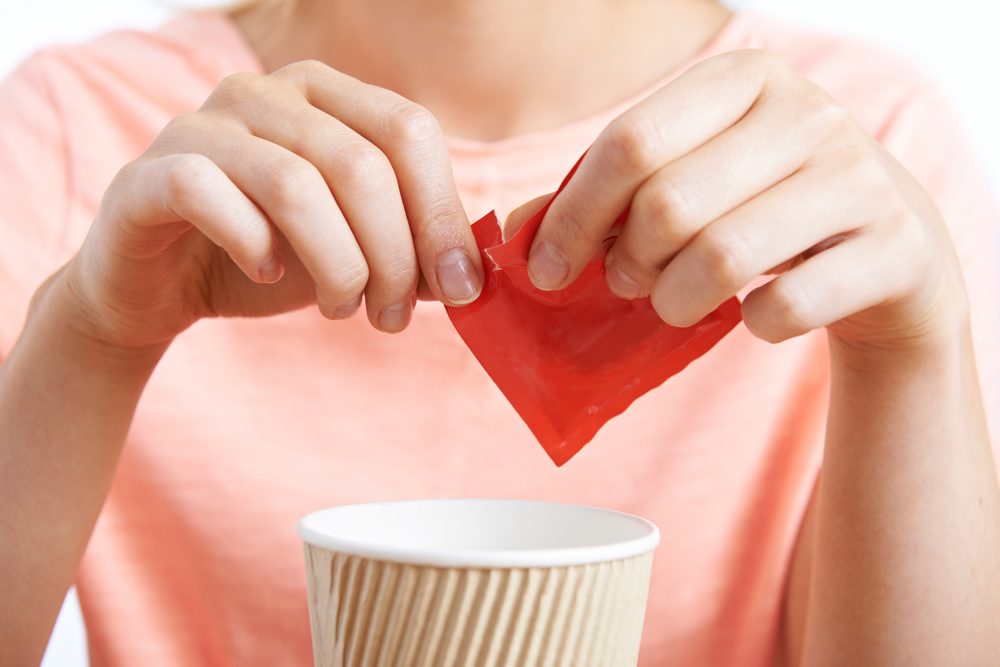
Artificial sweeteners


A grande iced coffee with skim milk and two Splendas, please? Think again—and hold the sweet stuff. “I do not think there is sufficient evidence to prove that most artificial sweeteners are safe for consumers. I prefer to stay away from them and indulge in the real thing [sugar] occasionally and mindfully. Plus, there’s a plethora of research that shows how consuming diet beverages may counter-intuitively lead to weight gain, which can increase your risk of chronic diseases like diabetes and heart disease,” nutritionist, Chelsey Amer, RD, says. That’s not all. These other health perks could happen to your body when you stop eating artificial sweeteners.


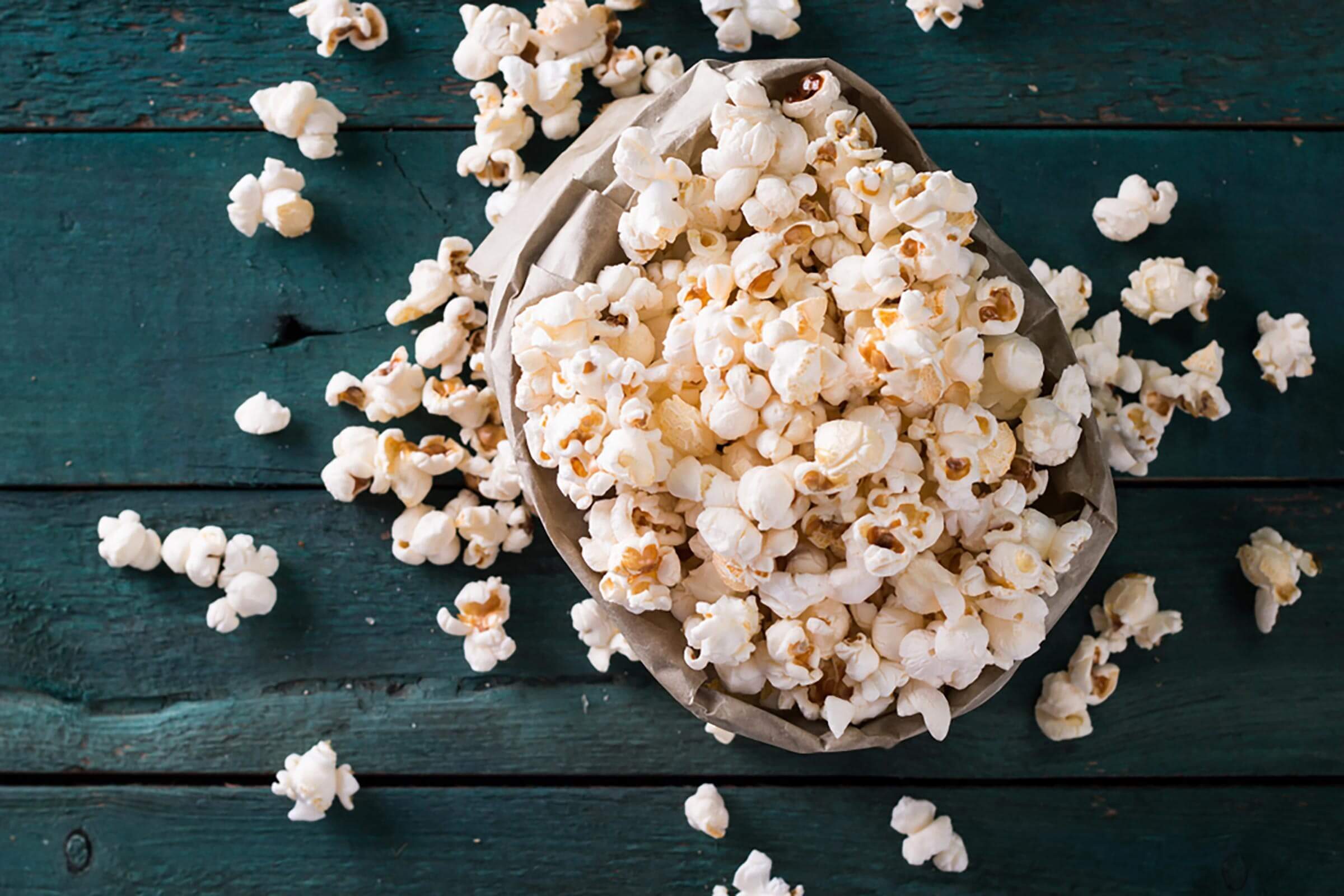
Microwave popcorn


Love to curl up in front of The Voice with some vino and a buttery bag of popcorn? Resist. “I once ripped open an unpopped microwave popcorn bag and I haven’t eaten it since! There are too many artificial chemicals used in the flavorings inside the microwavable bag. I prefer to avoid overly processed products like this as much as possible,” Amer explains. Make your own with popcorn kernels, a brown paper bag and olive oil with a touch of salt.


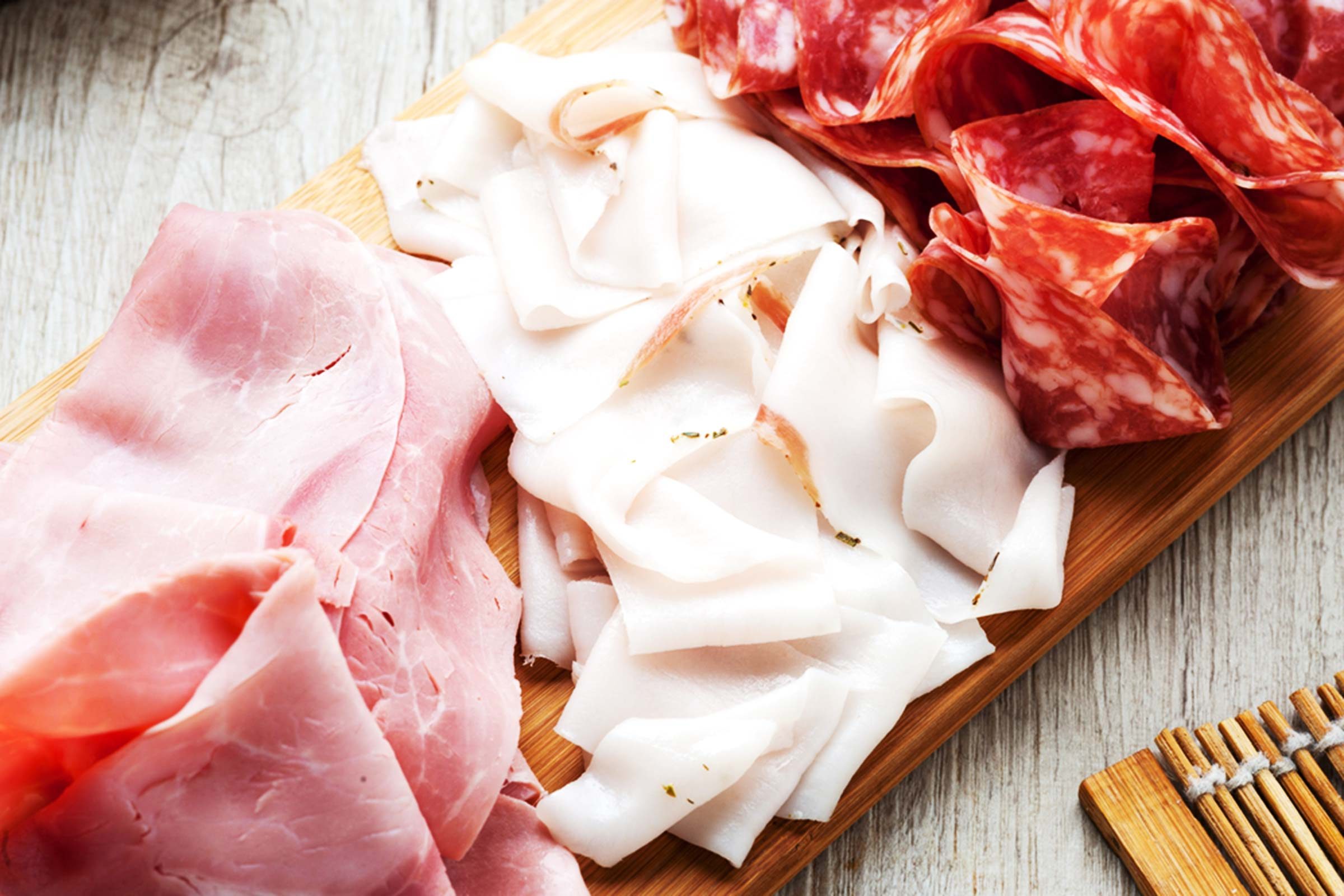
Processed deli meats


It’s super-easy to make a turkey club when you buy deli meats in bulk on Sunday for your meal prep. But there may be some dangerous ingredients lurking in those slices. “Processed deli meats can contain a wide variety of additives from nitrates to carrageenan that can increase inflammation in the body and have even been scientifically linked to increased risk in colon cancer,” says Megan Faletra, MS, an integrative dietitian nutritionist, certified yoga Instructor, and founder of The Well Essentials. “Opt for organic, nitrate and antibiotic-free deli meats from brands that are focused on changing the way meat products are produced in the USA.” Make sure you know the gross ingredients you could be eating.


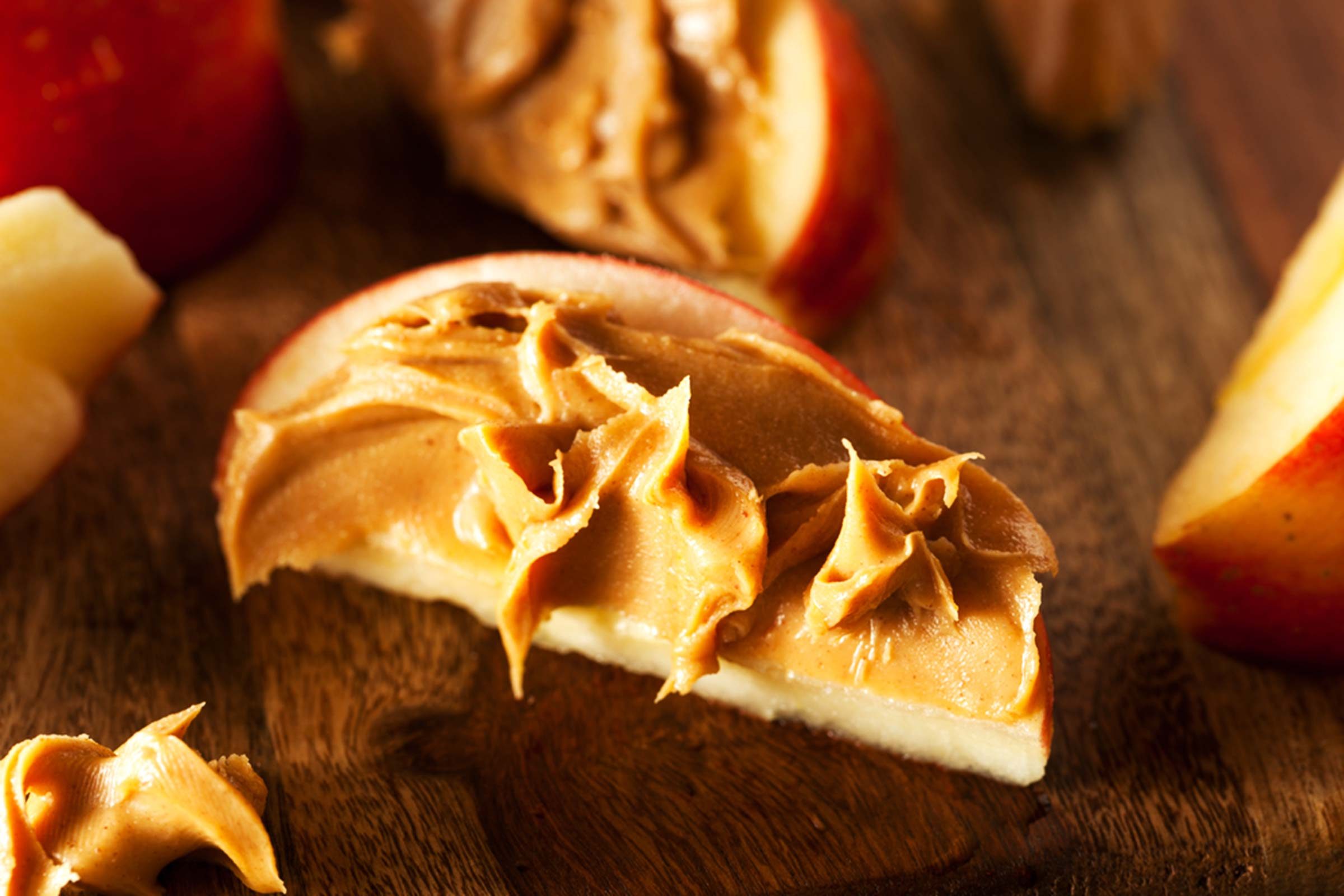
Reduced-fat peanut butter


You’re better off going full fat. “Regular and reduced-fat peanut butter contain roughly the same amount of calories. But the reduced-fat varieties typically contain more added sugar or artificial sweeteners to improve the taste,” says Faletra. “The fat found in peanut butter is healthy for our bodies, so stick to the natural full-fat peanut butters.”


Margarine


If the dairy-free life isn’t for you but you’re a waistline watcher, you might reach for the “healthier” margarine. Hold that thought: “Most margarines rely primarily on highly processed vegetable oils (particularly soybean and palm oil),” Faletra says. “Choosing grass-fed organic butter in moderation is a much better option for our health as these butters contain high-levels of heart-healthy omega-3 fatty acids.”


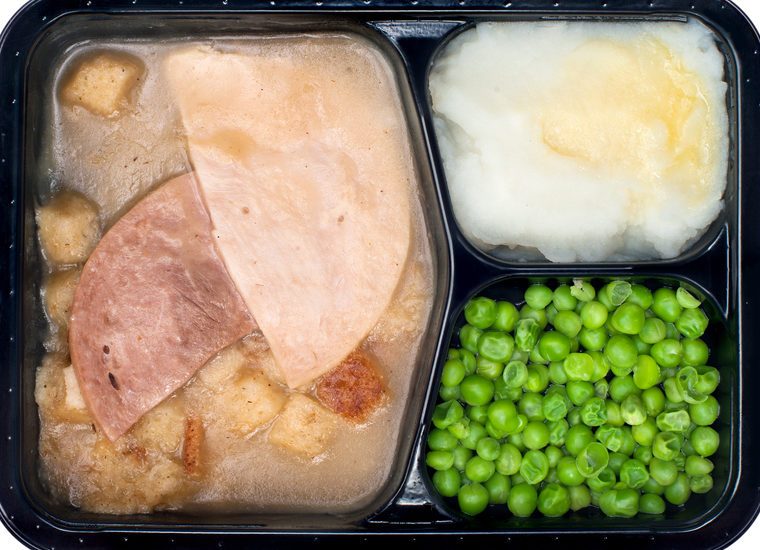
Most frozen meals


While nutritionist Ha Nguyen, RDN, used to nom on frozen meals as a kid—nearly every day after high school. Today, she wouldn’t touch one with a 10-foot pole. Why? “Most prepackaged frozen meals are overly processed, made with refined flour, high in sodium, and full of additives and preservatives. All things that are not good for your body,” says Nguyen.


Pop Tarts


You might remember these commercials when you were in middle or high school. Maybe you even argued with your pals over which flavor was the best. But Nguyen recommends keeping ’em out of your shopping cart. “You might as well send your kid off to school with a candy bar for breakfast. If you simply look at the first few ingredients they consist of refined sugars including corn syrup, high fructose corn syrup, dextrose, and sugar,” Nguyen says. Opt for these healthier breakfast ideas instead.


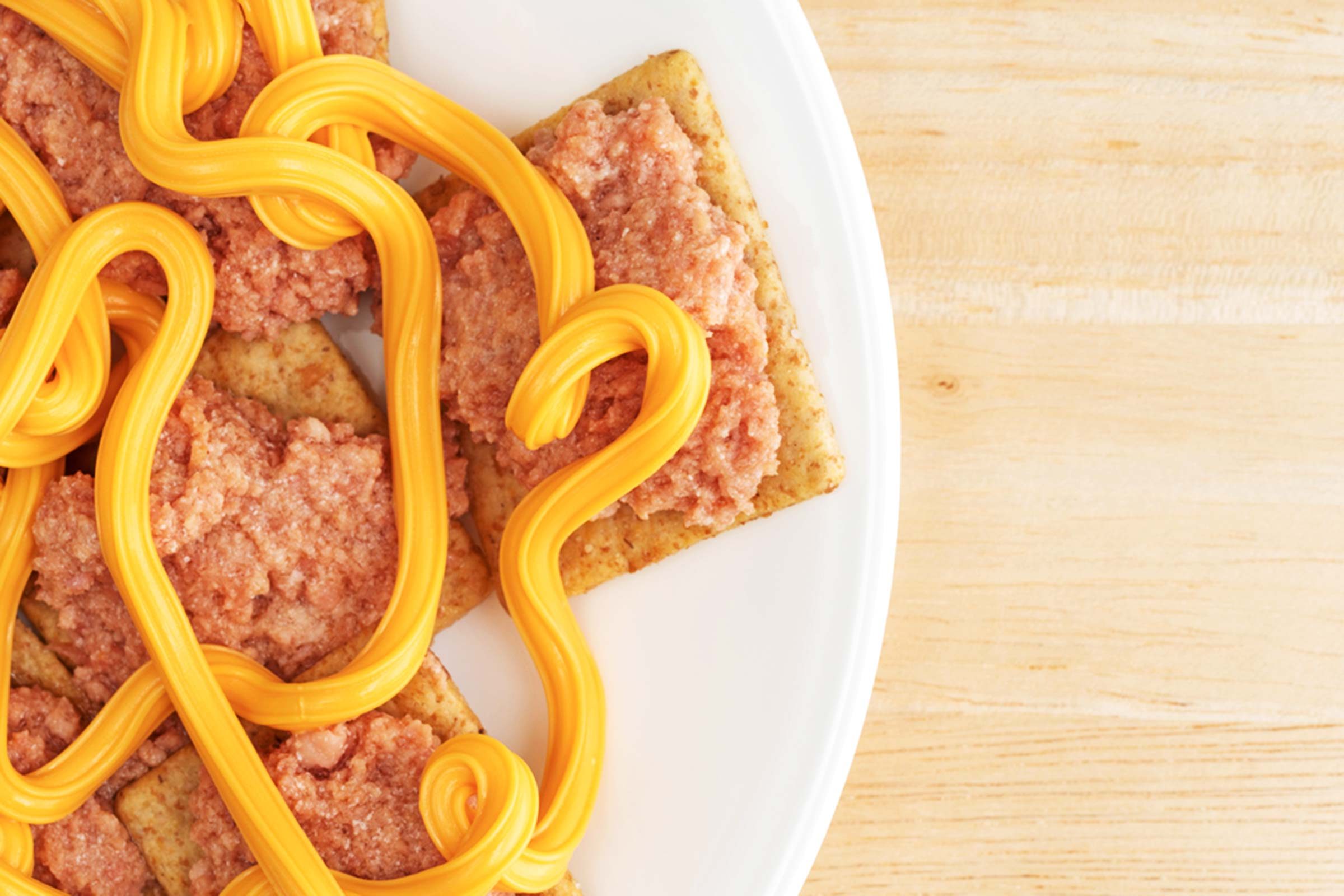
Cheese in a can


Though arguably super fun to play with when you’re 16, as far as a nutritional value, there’s not much this canned faux-dairy can offer you. “Cheese spread is highly processed with very little actual ‘cheese’ in it,” says nutritionist Michelle Jaelin, RD. It comes with a laundry list of artificial ingredients and colors that I don’t feel comfortable eating. It is called plastic cheese for a reason! If I want to eat cheese, I eat the real thing,” says.


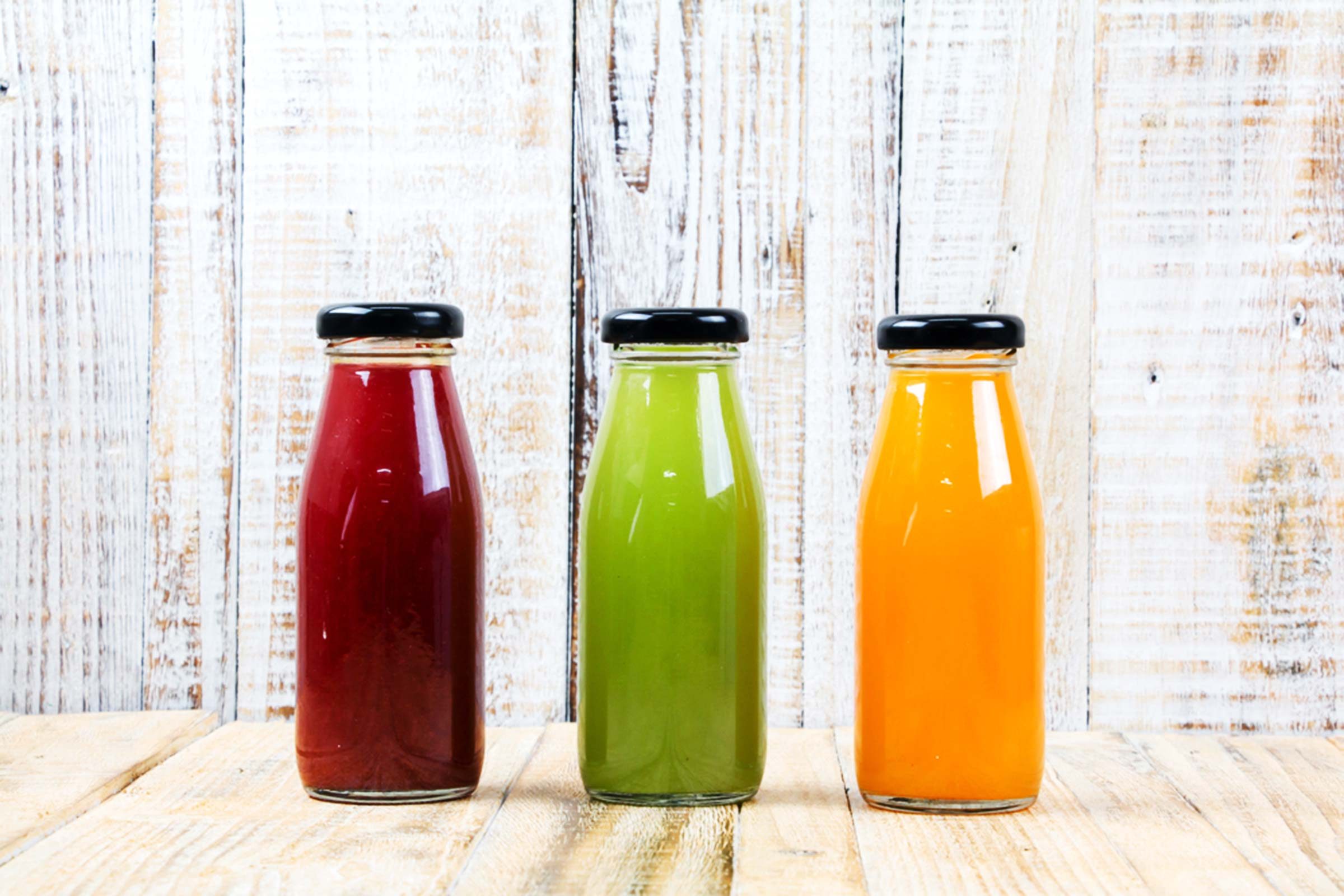
Boutique fruit juices


While that carton might claim to give you the vitamins and minerals you need, nutritionist Andy De Santis, RD, says fruit juices—even the boutique ones—are a slippery slope. “The alarming trend of expensive juices is concerning. These products are generally packed in calories and they won’t keep you feeling full or provide anywhere near the full nutritional benefit of eating whole fruits and veggies,” he says. “For reference, eating an apple, orange and banana would take me 10 minutes. Drinking them in a juice—maybe 10 seconds?” That’s a lot of calories in less than a minute.


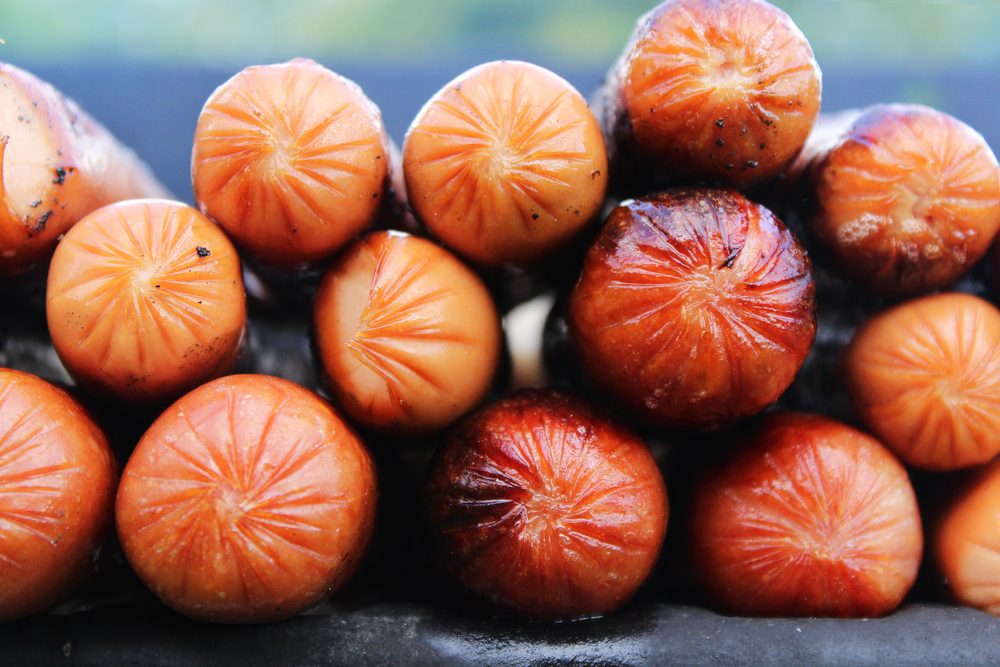
Sausages, hot dogs


Take yourself out to the ball game, but skip the hot dog. You might be better off with a brewski and a bag of peanuts. “Not only are hot dogs high in fat and relatively low in protein, which is the exact combination you don’t want in your meat, but they are generally chock-full of sodium, which none of us need more of,” De Santis says. “The icing on the cake? There is a growing body of evidence that connects eating processed meats with an increased risk of cancer in the digestive tract.” These are the clear signs you’re eating too much salt.


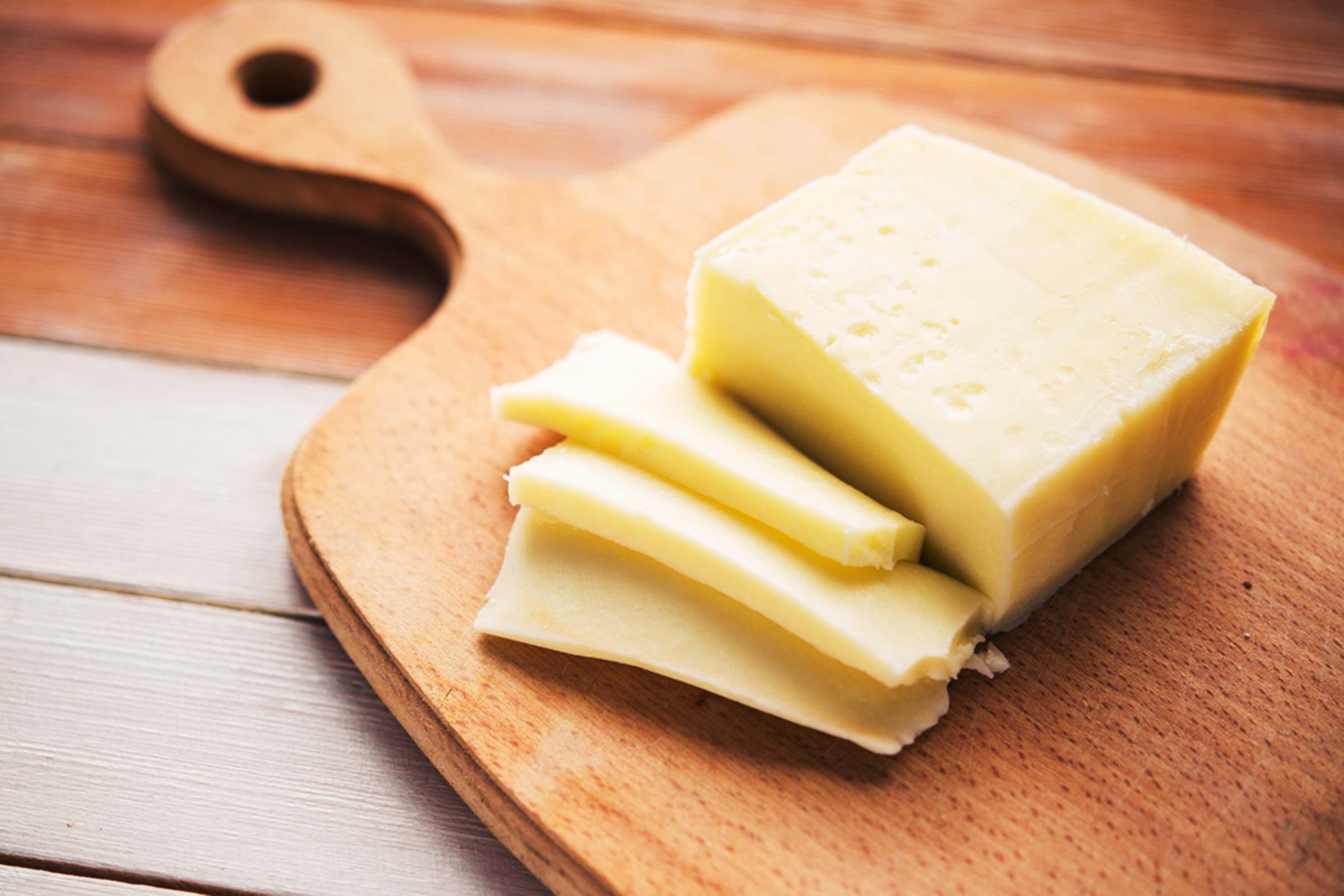
Cheese


Say it isn’t so! While everything in moderation is a good rule of thumb for almost anything, De Santis put cheese on the naughty list because there are better ways to get calcium. “Cheese is generally high in calories, saturated fat, and sodium, all of which we need to cut back on. You are better off with a low-fat milk, a soy or almond alternative, or vitamin D-fortified yogurt. Don’t forget that nuts, seeds, legumes and dark leafy greens also contain calcium.”


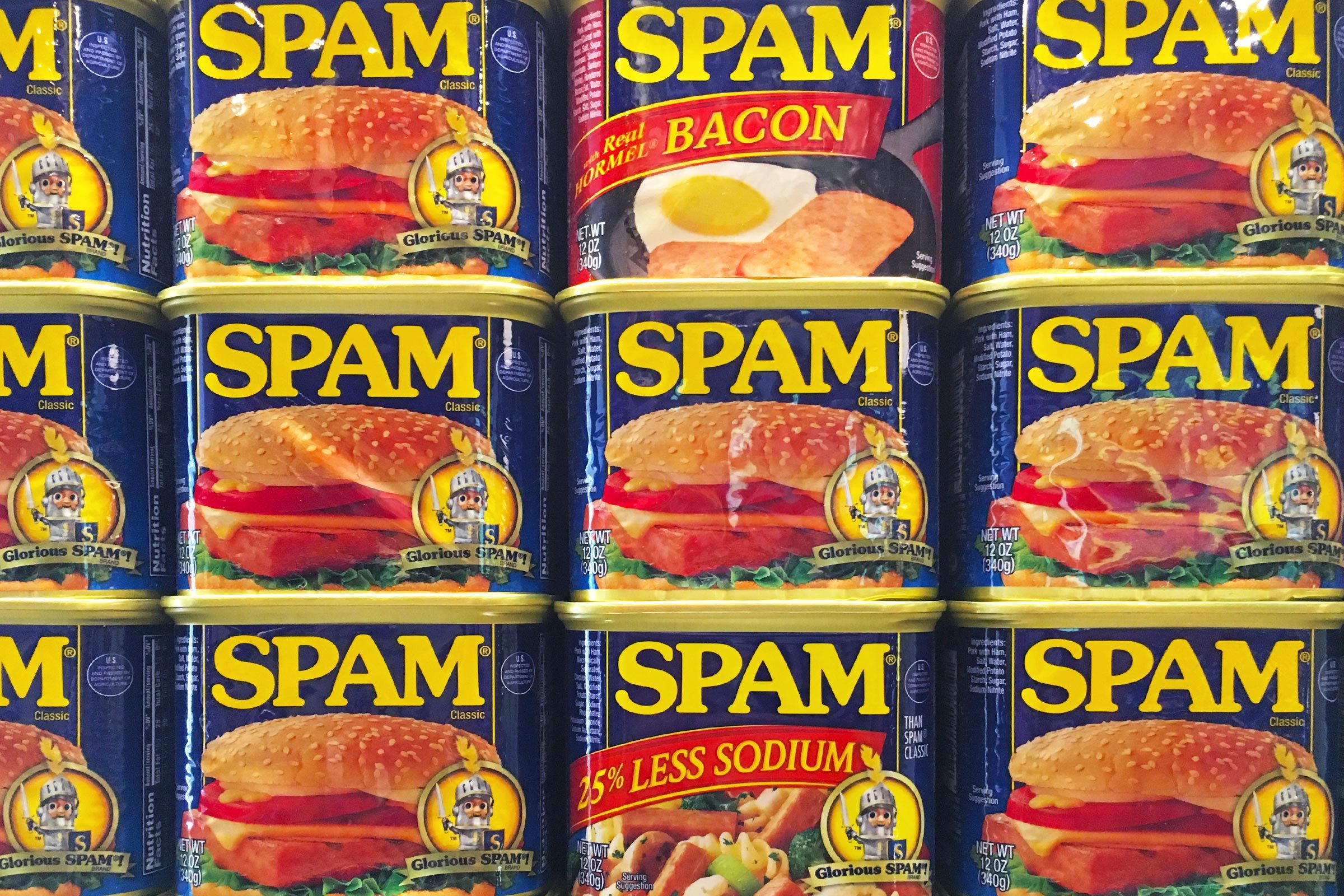
Spam


You may want to pass on meat that comes from a factory instead of a butcher. “Preservatives, sodium, and uncertainty of the meat’s origin are three things that make me worry,” says nutritionist Gabriella Vetere, RDN. “Choose meat that your body can recognize, not one full of chemicals and preservatives,”


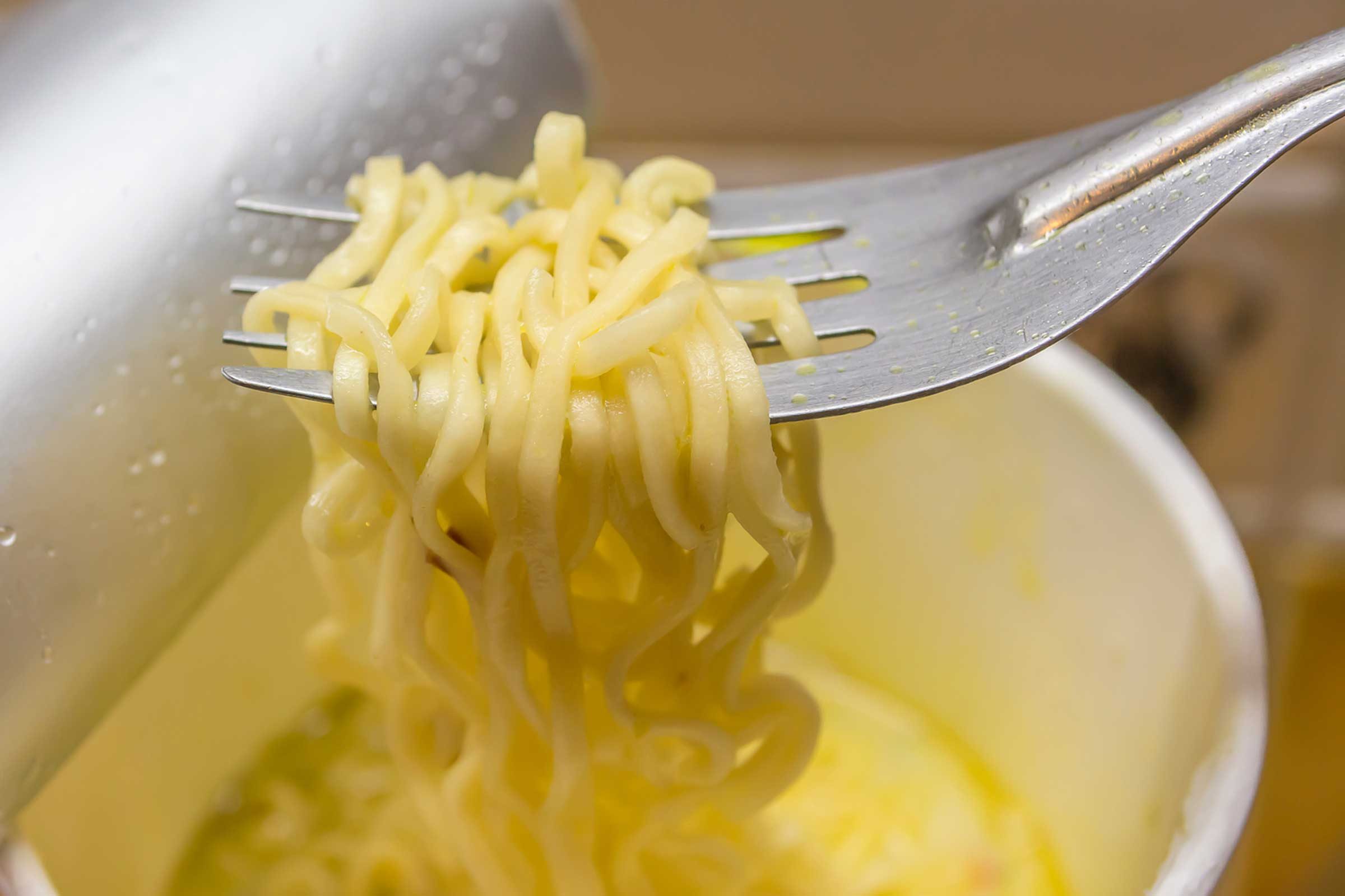
Ramen noodles


Your penny-pinching, hungover, inner college student may be weeping, but your body will thank you when you avoid this sodium pit. Exercise physiologist and nutritionist Rachel Straub, MS, certified strength and conditioning specialist and author of Weight Training Without Injury, recommends steering clear of these packaged goods because they’re loaded with salt and very little, if any, nutritional value.


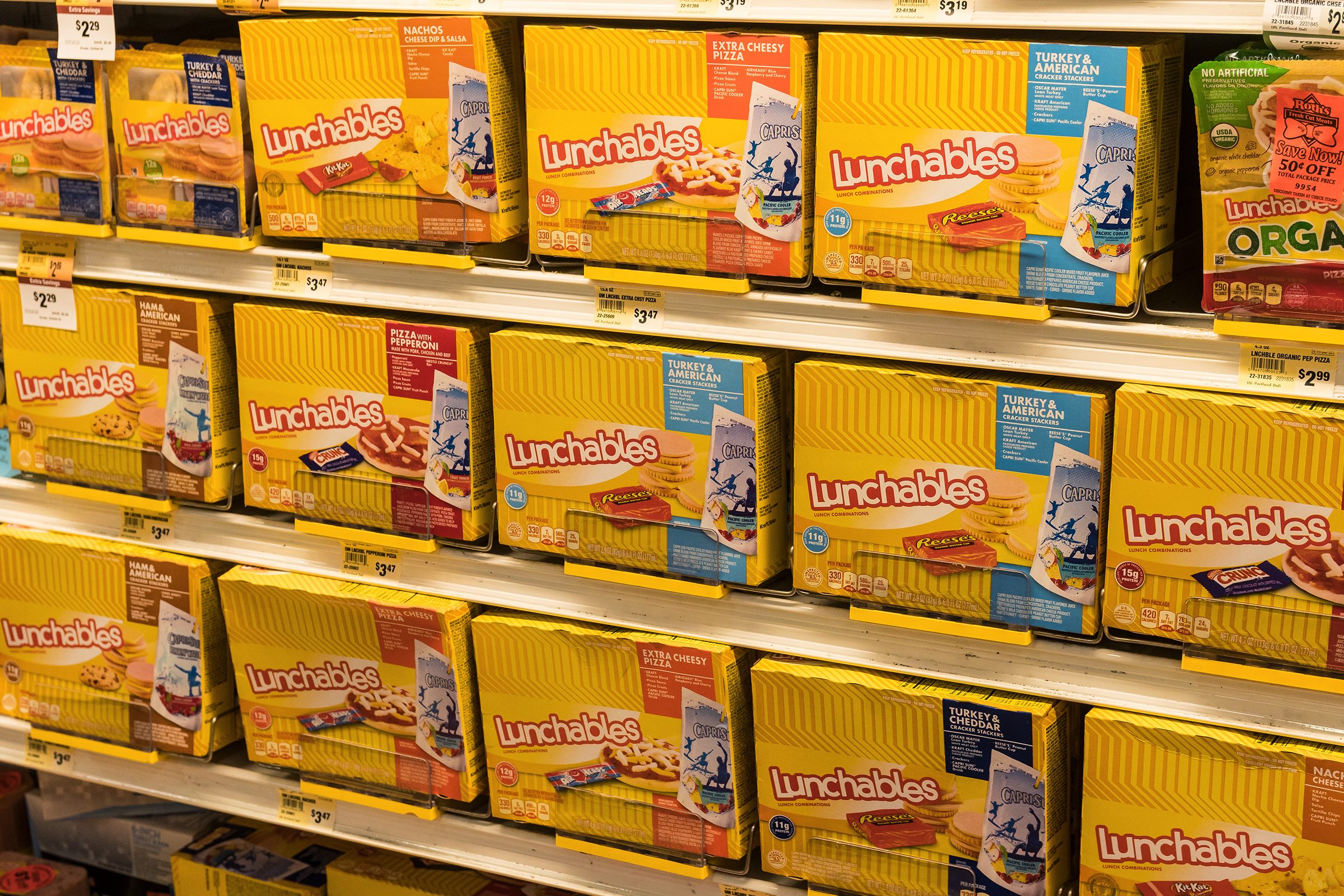
Lunchables


Though they might seem like a breeze when you’re in a bind with no time to pack a snack for your kiddo, Straub says try to refrain. “Since they have processed meats full of nitrates, refined grains, and candy, of course, this just isn’t a healthy choice,” she says.


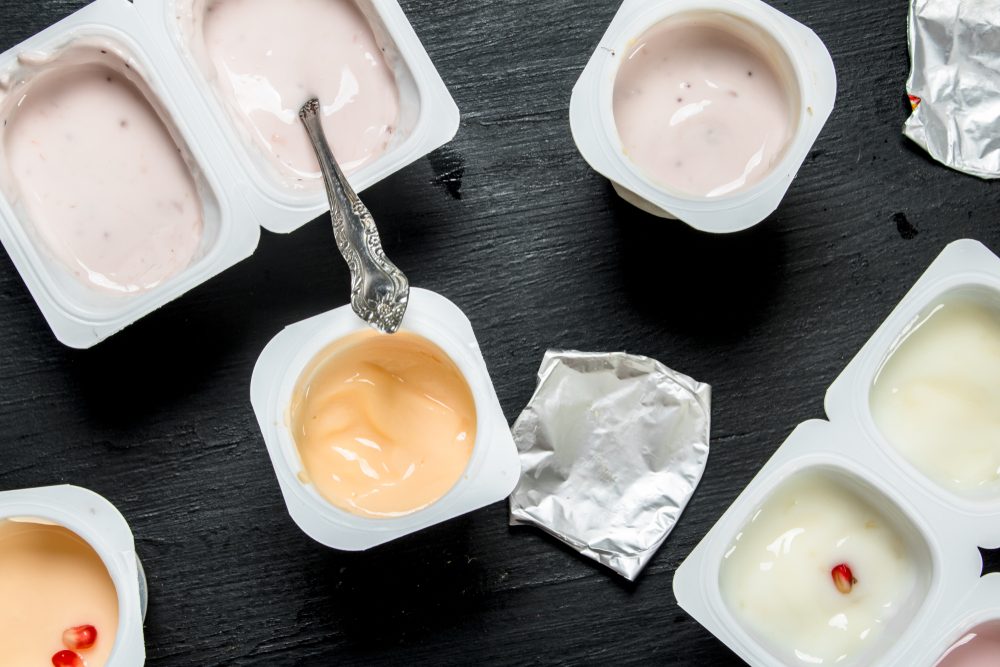
Blended fruit yogurts


The commercials are catchy—and they may bring back fond memories of snacking as a kid. But when it comes to getting the essential nutrients that yogurt is meant to deliver, most blended fruit yogurts are a bad idea. As Straub explains, “It is basically dessert for breakfast. Nearly 50 percent of the calories can come from added sugar, so they just aren’t a healthy choice. I would much rather have a plain yogurt with a piece of real fruit.” Or add any of these healthy toppings.”


Doughnuts


Your Instagram feed might deliver a different message about these powdered (and sometimes rainbow-colored) haloes of dough. Still, that dozen you pick up before a Monday morning meeting is doing damage, says personal trainer, author, nutritionist, and health and wellness coach Jamie Logie. “Doughnuts are made of refined (possibly GMO) white flour which is super high glycemic.” That means it causes sudden spikes in your blood sugar. “And they’re deep-fried in artery-clogging and cancer-causing trans fats and covered in sugar. They won’t fill you up, make you hungrier and are filled with pretty much the worst ingredients out there.” Here are all the nutritionist-approved snacks you can buy anywhere.


Fast food burgers


The healthiest part of those kid meals you used to beg your parents for? Probably the plastic toy. Logie says that while making your own patty on the grill at home can be a good nutritional choice, the one from the fast-food window is questionable. “One hamburger patty can be made up of dozens of different cows that come from feed-lot, confinement-based living. They are pumped full of hormones, have high levels of inflammation and are raised on some pretty horrific feed,” he says. “You then have a high starch white flour bun [which], depending on what you have on it, can contain inferior bacon and essentially plastic-processed cheese.” Get some tips on healthier grilling for your burgers this summer.


Movie theater popcorn


Like peanut butter and jelly, toast and butter and macaroni and cheese, some things just seem like they were meant for one another. Though it’s second nature to grab a can of buttery-salty goodness while you check out the latest blockbuster, Logie challenges you to resist. Large sizes at theaters can contain over 1000 calories and 40 grams of fat—and that’s without the butter topping, Logie says. For an alternative, pop your own on the stovetop with some olive oil and salt, and sneak it into the theater. (We promise not to tell!)


Raw oysters


Though oysters have an aphrodisiac reputation and can really hit the spot with a glass of white wine on a sunny day, nutritionist Jennifer Bowers, PhD, RD shies away from the slimy mollusk for the threat it can pose on your digestive system. “There are so many potential food-borne illnesses are associated with undercooked seafood—hepatitis A and noroviruses, specifically. Oysters commonly carry Vibrio vulnificus and Vibrio parahaemolyticus,” she explains. “Having said that, I think oysters taste horrible (personal opinion!), so it’s certainly not worth the risk for me. If you’re going to eat oysters, switch from raw ‘on the half shell’ variety to cooked to lower your risk of getting sick.”


Regular soda


You probably don’t need us to tell you that even an eight-ounce glass of any soda is bad news for your bod. Just in case you need the reminder, though, Bowers explains just how bad of an idea drinking liquid calories really is. “The sugar load in just one serving is simply not worth the glucose rush, mood issues, headache, and calorie bomb. The huge intake of soda in this country, coupled with a sedentary lifestyle, is strongly associated with the rising obesity epidemic,” she explains. 


Fat-free packaged foods


Don’t allow yourself to be fooled by fad ‘diet’ foods, says nutritionist Rima Kleiner, MS, RD. Though it might be a smart marketing move on the part of major food corporations, labels like fat-free, sugar-free, and anything free—are deceptive. “Even after years of research showing us that our bodies need healthful fats, I still hear clients who consider packaged ‘fat free’ foods the pinnacle of healthy eating,” says Kleiner. “But many of these packaged products that should naturally contain fat (think cookies, crackers and bars) replace the fat with sugar, which means you end up with a cookie or other product that contains less fat, maybe a few less calories, but with little to no redeeming nutritional qualities,” she explains.

“If I’m craving something sweet, I try to make my own so I can use healthful fats like olive oil, flax seeds and avocadoes, or I will just buy a single-serving brownie or cookie from a good bakery to share with my husband or kids,” Kleiner adds.


Pretzels


Don’t tell the street vendors in New York City, but their midtown snack is actually terrible for the tourists. Nutritionist Cara Walsh, RD, explains: “Pretzels are basically made out of sugar—simple carbs. The refined-carbohydrate product contains no nutrients that are beneficial for health plus they aren’t satisfying, which is why so many people tend to overeat them.” Here are some other unhealthy foods you’ve been tricked into thinking aren’t so bad.


Rice cakes


Once a supposed diet hero, these carb bombs are finally getting the shade they deserve. “Rice cakes are made from a specific carbohydrate that skyrockets your blood sugar,” says Walsh. They still hold a fascination for the calorie conscious, but Walsh is begging everyone to reconsider. Find out about some more foods that are bad for your belly.


Fruit canned in syrup


You could swap a slice of cake for fruit cocktail and your body wouldn’t know the difference. “Fruit is naturally sweet enough on its own,” explains nutritionist Amy Gorin, MS RDN. The amount of sugar in the fruit plus the syrup could put most desserts to shame. “If you’re shopping for canned fruit, you can absolutely find fruit that doesn’t contain added sugar, such as varieties canned in water or juice.”


Boxed cereals


Easier than whipping up an omelette and faster than brewing a cup of coffee, cereal is a breakfast favorite. But when it comes to offering the vitamins and minerals your body craves to start the day right, nutritionist, Gisela Bouvier, RDN, advises stepping away from the box. “Dry cereals were created to be easy breakfast foods targeted to kids. However, cereals are very high in carbohydrates and offer very little, if any, protein and heart-healthy fats. Most also have a lot of added sugars and lack fiber,” she explains. “As a dietitian, I never recommend dry cereals to clients. Instead, I recommend nutrient-dense complex carbohydrates, such as slow-cooked oatmeal or whole-grain toast.”


Regular peanut butter


Forget the uptick in peanut allergies in recent years, or the fact that some folks report increased acne breakouts after eating some PB, there’s even more of a reason to pass on this nut butter, according to Bouvier. Or at the very least, be a lot more selective about what you buy.

“Not all peanut butters are created equal. Most commercial peanut butters contain added sugar and oils, particularly partially hydrogenated oils. Partially hydrogenated oils are another name for trans fat, which have been linked to cardiovascular disease and other diseases. Unfortunately, when there is less than 0.5 grams of partially hydrogenated oils per serving in a food item, manufacturers are not required to put trans fat on their food labels,” she explains.

“I recommend reading the ingredients when purchasing peanut butter or any nut butters. When possible, simply look for ‘peanuts’ in the ingredient list or ‘peanuts, salt.'” Make sure you know whether your packaged foods might have hidden saturated fats.


Frozen diet dinners


It’s tempting—especially when you get home late and the kids still need a bath—to defrost a frozen-food meal. The convenience isn’t the question, but the nutritional value definitely is. “Many frozen diet dinners claim to be low calorie and healthy. However, most are loaded with sodium and artificial ingredients, and they are also light on the nutrients,” Bouvier says.


Cheese-flavored snacks


If you find yourself drawn to cheese-flavored anything, you’d be better off reaching for the real deal instead. Cheese-flavored snacks are full of chemicals, says nutritionist, Ashvini Mashru, MA, RD, LDN. “While you can find plain potato chips cooked in sunflower oil, cheese-flavored snacks are packed with fat, MSG, and artificial flavors and colors. The ingredient list itself explains why a plain potato chip cooked in sunflower oil is many times better than any extruded cheese snack,” she says.


High-fiber bars


When you’re traveling and trying to resist that pack of cookies offered to you at 10,000 feet, maybe you reach instead for the high-fiber bar you packed to bolster your will power. While Mashru understands the appeal, it’s actually not a good idea to let a bar take the place of a well-balanced snack that offers protein and healthy fats. Mashru says that really, these popular products are “actually candy bars in disguise.” Instead, snack on these healthy foods you can find in an airport.


Food dyes


These mysterious ingredients aren’t really linked to weight gain, but nutritionist Julie Pech warns that anything not natural can be tricky for your body to digest. About eight years ago, Pech discovered she was allergic to food dyes. Anytime she would eat or drink something that contained a food dye, she’d become depressed within 24 hours. “I know when I’ve messed up because my mood will change for no reason. Usually everything is back to normal in a day, once my body has a chance to get rid of it. Many people are allergic to food dyes, and I’m a big advocate for clean-eating,” she says.


Wheat


Though there is a trend toward cutting out gluten to shed a few pounds or to feel healthier and thinner, many people suffer from gluten-intolerance or even worse, Celiac disease. For Pech, her son’s allergy to wheat is what prompted her to cut out this ingredient from her diet. “I stopped eating wheat with him because he was only 8 and was convinced his life would end if he couldn’t have pizza (that was before gluten-free pizza),” she explains. “I told him we’d do it together to make it easier for him. Once I stopped, I noticed my mind was much clearer and I had more energy. So I kept going with the wheat-free diet and I love it.” Still, a gluten-free diet isn’t for everyone; make sure you know the potential dangers.


Frozen breakfast sandwiches


We’ve all seen the commercials where an anthropomorphic sun promises tons of energy after wolfing down a breakfast sandwich. Don’t fall for this sandwich scam: “These little buggers can actually raise LDL cholesterol levels—the bad cholesterol—and lower good HDL cholesterol, which increases the risk of the number one cause of death in this country: heart disease,” explains nutritionist Cassandra Golden, MS, RD. “There are absolutely no health benefits of trans fats, which are used by food manufacturers to improve texture, shelf life, and as a less expensive alternative to butter or lard. Trans fats earned the nickname ‘bad fats’ for good reason!”


Non-fat salad dressings


So you’re faced with a choice: Do you go for the regular dressing on your salad or the non-fat? Neither. Make your own olive oil-and-red wine version. “The fat, especially something like olive oil, can actually help you better absorb nutrients from the vegetables in your salad,” says registered dietitian Tanya Freirich, MS, RD. “Also, when the food company takes out the fat, they usually add a lot of sugar or man-made ingredients to achieve a similar taste. Healthy fats like olive oil, avocado, and nuts are an important part of a well-balanced diet.”


Sugar-free desserts


The best news to come out of the dietary revolution of the last decade or so? Probably the condemnation of fat-free and sugar-free foods. You have full permission from those who know best to have an honest-to-goodness hunk of cake instead of something silly (not to mention supremely unsatisfying) like a sugar-free pudding.

“I’d rather have a small amount of a natural sugar like honey or brown sugar than the processed facsimile of a dessert-like a sugar free-cookie or sugar-free candy,” Freirich says. “The real dessert satisfies my sweet tooth with just a small portion, whereas the sugar-free option never really hits the spot. Eating sugar or fat in moderation can be a part of a healthy, well-balanced diet, and I’d rather eat whole, natural foods than processed ones.” 


CAFO beef and chicken


It stands for Concentrated Animal Feeding Operation, and it means just what it says. The animals are crowded together and treated poorly. This is why it’s not just the source of tomato sauce, yogurt, and other packaged goods that need your attention, explains nutrition consultant Karen Brennan: Meat needs watching as well. “Animals need to be eating what is natural to them, and they need to be outdoors with room to roam in a stress-free environment,” she says.

“Confined animals contain more omega 6’s, which are inflammatory. Grass-fed animals that are pasture-raised have more heart-protective omega 3’s,” says the board-certified holistic nutritionist and herbalist. “You are not only what you eat, but what your food eats. So, what did that chicken eat? What did that cow eat? Was it GMO grains? Were they injected with growth hormones and antibiotics? What impact will this have on your body over time after you consume these foods day after day, year after year?”


Pasteurized dairy


Fun fact: humans are the only species that consume dairy post-infancy. While babies might need the enzymes from milk to build their bones and immune system, once you’ve grown, the benefits don’t always outweigh the drawbacks. “The main reasons why I do not consume traditional milk is because of the hormones injected into these cows, the GMO unnatural corn/grain-based diet they are fed, the antibiotics these cows are given and because pasteurization destroys good microbes and enzymes that milk would otherwise contain,” Brennan says.


Skim milk


Brennan says skim milk would never be on her breakfast table, no matter what. “The fats in milk build and balance the nervous system. The fat also acts as carrier for the fat-soluble vitamins so that these nutrients get to where they are needed. Personally, I would opt for goat milk instead since it is easier to digest. And it has fewer problematic proteins than does cow milk found in the United States. Also, it’s a myth that you have to eat dairy in order to meet your calcium needs! Your bones are made up of much more than just calcium and you can meet your calcium needs on a plant-based diet.” Thinking about giving up milk? 


Canola oil


Yes, canola was a good guy, once upon a time. We fried with it, made cakes, used it in dressings. “Made from rapeseed, most canola oil is genetically modified,” explains functional diagnostic nutritionist Cate Ritter of Cate Ritter Wellness. “Like most vegetable oils, canola is highly processed, refined, bleached and deodorized, which adds toxins and removes nutrients including the omega-3s. The manufacturing process makes it partially hydrogenated.”


Non-organic corn and products made from corn


What does this include? Ritter says “corn oil, high-fructose corn syrup, corn syrup, cornstarch, dextrose and maltodextrin.” All of these sneaky ingredients are hanging out in many processed foods, and corn is the second-most common GMO that’s dangerous for your health.


Refined grains


Maybe your Thai takeout doesn’t feel complete without rice; neither does Chinese food without noodles. Nonetheless, you’re better off to stick to the chicken and veggies, says Caroline Apovian, MD, director of nutrition and weight management at Boston Medical Center. “There are three parts of a grain: bran, germ, and endosperm. Refined grains remove the bran and germ, while whole grains preserve all three parts. Removing the bran and germ also removes the dietary fiber, B vitamins, and iron from grains. Refined grains include white bread, white rice, and most pastas.”


Bologna


Raised below the Mason-Dixon line? Then you likely had a fried bologna sandwich with mayo at some point in your childhood. Though a few sandwiches way back probably don’t pose a major threat, bologna shouldn’t show up on your rolls today. Nutrition expert Kaleigh McMordie, RDN, has a great take: “Meat paste. Who knows what it’s made of? No, thank you. One slice can provide 17 grams of fat, with 7 of them are saturated, and more than 800 mg of sodium. Plus, many have added sugar, starches, and nitrates,” she says.


Energy drinks


You may have quickly chugged a Red Bull (or two) to get a night started at one time or another. Nutritionist and dietician Keith Ayoob, Ed.D, says these popular grab-by drinks are quite, well, terrible for you. “These have just lots of caffeine and stimulants. That’s not energy—it’s speed. For real energy you need sleep, and there’s no substitute for that. You may also need a good breakfast, too,” he explains.


Pre-packaged sushi


As pretty as they look in the refrigerated section of your grocery store, Ayoob says pre-packaged sushi is a questionable lunch or dinner selection. Not only did he personally have a bad experience once, but there are many factors you don’t know about that spicy tuna roll. Like, how long it’s been sitting there. Or how fresh the fish it. Or, if it’s even real fish to begin with. If you’re craving a roll, the best thing to do is seek a restaurant with a strong health-grade rating. Here’s more on what nutritionists think about sushi.


Table salt


Though a staple of nearly every household, Lynn Anderson, PhD, a nutritionist, yoga instructor and health advocate says table salt isn’t the best spice selection for your diet. “Originally produced from mined salt, it starts out as a real food then quickly becomes something else. Manufacturers strip it of all its naturally-occurring minerals and then use a number of additives to dry it and heat it to temperatures of about 1,200 degrees. The salt is then stabilized with dextrose, turning it purple and then bleached white,” she explains. If you can’t kick your craving for a salty taste, Anderson says to reach for Celtic or Himalayan salt instead.


Agave


Love a great margarita but hate the morning-after hangover it brings you? Cut out one ingredient that likely makes your head ache: agave. “This sweetener actually spikes the level of fructose in the bloodstream,” says Anderson. “High fructose oils and sweetener increase inflammation which leads to a number of diseases.”


Soy protein


Soy protein can be a dangerous ingredient to consume in quantity, especially for women who are sensitive to hormones. “Contrary to what we are led to believe, unfermented soy protein is not that healthy,” warns Anderson. “In the United States, soy is modified to withstand the application of glyphosate, a weed-killer ingredient. Basically we are then eating weed killer with our soy! Long-term use of soy dietary supplements like soy protein is unsafe because it has been linked to disease ranging from hay fever to kidney failure.” These superfoods can actually help you lose weight.


Non-organic strawberries


Trying to figure out why that extra $3.00 is needed for an ‘organic’ piece of fruit? Let health coach Michelle Gindi convince you to shell out the extra bucks: “Non-organic strawberries topped this year’s list for the most pesticide-laden produce, and the dinosaur-sized strawberries that we see in grocery stores are nothing close to what nature intended.”


Table syrup with pancakes


It’d be tough to get through this list without pancakes and syrup! (Or is it syrup with pancakes?) But instead of just going for the cheapest syrup option at the store, do your research. “Though the bottle makes it look identical to maple syrup, it may be full of artificial ingredients like caramel coloring. It could also be made from high fructose corn syrup instead of any natural sap,” she explains. Avoid these foods that are never worth the calories.


Canned soup


Thanks to slow cookers making soup is as easy as it gets, even for amateur chefs. And that’s a good thing. “Most canned soups are notorious for containing excessive amounts of sodium. Too much sodium can put you at risk for health conditions such as hypertension and cardiovascular disease,” explains nutritionist Tracy Lesht, MS, RD.


Flavored coffee creamers


Can’t drink your coffee black? You’re better off adding coconut milk, unsweetened almond milk, honey—or just about anything but a coffee creamer with artificial flavorings. Lesht says, “Most coffee creamers are packed with sugar and artificial flavors offering little nutritional value for plenty of calories!” Read on for the worst diet advice nutritionists have ever heard.