Truth Korner

Showing posts with label Health & Nutrition. Show all posts

Wednesday, February 10, 2021

The Top Health Benefits of Dates, Explained


When you hit the supermarket to restock your kitchen with nutrient-packed fruit, you probably unconsciously turn your cart into the produce section, where apples, oranges, and grapes abound. But in doing so, you could be missing out on a fresh fruit hiding out next to the raisins and prunes in the bulk bin aisle: dates.

That's right: Though wrinkly, sticky, and chewy like dried fruits, naturally sweet dates are typically sold in their raw, fresh state, says Keri Gans, M.S., R.D.N., C.D.N, a dietitian and Shape Brain Trust member. At the grocery store, you’ll often find two types of dates, which have slightly different textures and tastes but similar nutritional values: Medjool, a soft date variety with a high moisture content and a sweeter flavor, and Deglet Noor, a semi-dry date variety that contains very little moisture and has a nutty finish. And with those craveable qualities come a few health perks.

Here, the date nutrition facts you need to know, plus expert-approved ways to add them to your plate.

Dates Nutrition Facts


For a tiny fruit, dates are teeming with vitamins and minerals, including (but not limited to!) iron, potassium, magnesium, and B vitamins. And while they're high in calories and carbs, they're full of good-for-you fiber. Boasting nearly 2 grams of fiber per serving, dates can help promote healthy digestion and bowel movements. These prune-looking fruits are also full of disease-fighting antioxidants, such as flavonoids and phenolic acids — both of which have been shown to reduce inflammation in the body — but more on all this in a sec.

Here's a quick nutritional profile of one pitted Medjool date (~24 grams), according to the United States Department of Agriculture:
66.5 calories
0.4 grams protein
0.04 grams fat
18 grams carbohydrate
1.6 grams fiber
16 grams sugar

Health Benefits of Dates

Provide Tons of Fiber

The biggest health benefit dates have going for them is their fiber content. In roughly four Medjool dates, you’ll score 6.7 grams of fiber, or a quarter of the 28-gram recommended daily allowance, according to the USDA. Remember, fiber is the part of plant foods that can’t be digested or absorbed, so it helps bulk up your stool and ensure everything passes through your gut smoothly, according to the Mayo Clinic. Plus, fiber can help lower cholesterol levels, stabilize blood glucose levels by slowing the absorption of sugar, and boost digestive health, says Gans. So if you’re looking to regulate your number twos, this fruit is definitely for you. (To add even more fiber to your diet without overhauling your plate, try putting these sneaky tactics into action.)

Promote Heart Health


Bananas may be the go-to source of potassium, but they’re not the only fruit that can help you fulfill your daily quota. Munch on four Medjool dates, and you’ll snag 696 mg of potassium, about 27 percent of the USDA’s recommended adequate intake of 2,600 mg per day. This mineral not only helps your kidneys and heart function properly, but it also plays a key role in regulating blood pressure, according to the National Institutes of Health.


ICYDK, high sodium intake is linked with high blood pressure (when the force of the blood hitting your artery walls is greater than normal). If the pressure stays high over time, it can lead to heart attack, stroke, or heart failure. But luckily, when you consume potassium, your blood vessels widen and you excrete more sodium through your urine, both of which can help lower blood pressure, according to the NIH. (Related: The Most Common Causes High Blood Pressure, Explained)

Strengthen Bones


Dates may not offer too much of the superstar bone-boosting nutrients — you know, calcium and vitamin D — but they do contain manganese and magnesium, which also keep your bones strong and healthy, says Gans. Both of these nutrients play a role in bone formation, according to the NIH, and studies have shown that upping magnesium intake can improve bone mineral density, which can minimize your risk of breaking a bone.

Still, four Medjool dates provides just 17 percent of the RDA for magnesium and 16 percent of the recommended adequate intake for manganese, so you’ll likely need to add other sources of those nutrients to your diet in order to fulfill those USDA recs. In order to get your fill of magnesium, nosh on pumpkin seeds, chia seeds, or almonds, too. To hit your quota for manganese, munch on hazelnuts or pecans. Or try whipping up a hearty bowl of oatmeal (which the NIH lists as one of the top sources of manganese) topped with a few of those fixings *and* dates to get enough of both nutrients in a totally delicious way.

Boost Your Immune System


Along with key vitamins and minerals, dates are a good source of antioxidants, compounds that can help combative oxidative stress caused by free radicals (harmful molecules that, in excess, can damage cells and increase oxidative stress). When these free radicals build up in cells, they can harm other molecules, which may increase the risk of cancer, heart disease, and stroke, according to the National Cancer Institute. What’s more, antioxidants have been found to improve immune system functioning by fighting off those harmful free radicals, according to an article in the journal Immunopathologia Persa. (Related: How Exercise Can Boost Your Immune System)

“The question here is how many dates you would need to eat to get a significant amount of antioxidants,” says Gans. “So if you’re eating dates solely for those antioxidant benefits, I think there might be better food choices. But if you're using dates in place of regular table sugar, then you might be getting a little bit of an added nutritional bonus in terms of antioxidants.” All that’s to say that, in addition to adding a few dates to your plate, consider regularly snacking on other antioxidant-rich foods, such as blackberries, walnuts, and strawberries, to strengthen your immune system — and maybe even fend off a nasty cold.

Work As a Healthier Sweetener


Okay, this isn’t technically a health benefit of dates, but it’s definitely a perk worth mentioning. A single Medjool date contains a whopping 16 grams of sugar, so the fruit's ideal to use in place of standard table sugar, says Gans. (ICYDK, table sugar is a type of added sugar that, when consumed in excess, can lead to type 2 diabetes and heart disease, according to the Centers for Disease Control and Prevention.)

While that number may still seem pretty big, Gans stresses that it’s nothing to be too concerned about. “When you’re eating fruit, you’re going to get sugar,” she explains. “But it’s naturally occurring, so along with that sugar comes the other health benefits that are in the actual fruit.” On the flip side, the standard white sugar you'd typically add to your brownies and energy bars is totally void of good-for-you nutrients, she adds. (P.S. here's a breakdown of the difference between artificial sweeteners and real sugar.)

How to Get *All* the Health Benefits of Dates


With all the health benefits of dates, the fruit may seem like the next ~superfood~. But they do come with one major drawback: Their high calorie content. A single Medjool date contains 66.5 calories, while a comparable serving of green seedless grapes has just 15.6 calories, according to the USDA. “Yes, dates are good for you, but don’t want to nosh on them like you would some other fruit because that will likely be too high in calories,” says Gans.

So if you’re planning on adding dates to your snack-time routine, consider capping your intake to just three dates, or about 200 calories’ worth, at a time, says Gans. “However, normally I wouldn’t suggest just a carbohydrate like that as your snack,” she adds. “I would stick to two dates and then add 100 calories of pistachios or almonds, or you could have a string cheese.”

While simply munching on the fruit raw can help you reap the health benefits of dates, don’t be afraid to get creative with your consumption. Chop a few up and mix them into a quinoa or barley salad for a few tiny punches of sweetness or stuff them with peanut or almond butter for a dessert free of refined sugar. Better yet, drop a date or two in a blender with fruit and milk for a smoothie or add them to your batch of energy balls, suggests Gans. In any case, using dates in place of sugar will amp up your dish's level of sweetness *and* nutrition.

Remember, you won’t reach all your nutritional goals simply by eating a few dates a day, but they do provide some essential vitamins and minerals (unlike refined sugars), she adds. And as the cliché goes, every little bit helps.
Posted by blog at 11:38 AM No comments:
Email ThisBlogThis!Share to XShare to FacebookShare to Pinterest
Labels: Health & Nutrition, Healthy & Happy Life, WORLD OF TRUTH

Monday, February 8, 2021

Foods that can reduce stress

 Stress levels may be high these days, but did you know that what we choose to eat can help to reduce stress, ultimately allowing us to take charge of our mental health?

"Instead of thinking of food as 'stress eating' or 'guilty pleasures,' we can think of using food to shape the lens in how we experience stress," said psychiatrist Dr. Drew Ramsey, an assistant clinical professor at Columbia University Vagelos College of Physicians and Surgeons and author of the upcoming book "Eat to Beat Depression and Anxiety."
Taking control of stress with the foods we eat can help to counter inflammation throughout the body, as well as elevated levels of the hormone cortisol, which can otherwise lead to high blood sugar, increased appetite and weight gain, among other symptoms, according to Felicia Porrazza, a Philadelphia-based registered dietitian who helps stressed-out clients find natural ways to improve their overall wellness.
    Feeling less stressed already? I hope so! Here are some food suggestions to help you live in a state of calm in 2021.


    Open your palate to oily fish

    Try out anchovies, sardines and herring, in addition to salmon, trout and mackerel. These foods are a rich source of stress-busting omega-3 fatty acids known as DHA (docosahexaenoic acid) and EPA (eicosapentaenoic acid), which play an important role in brain health.
    "Increasing omega-3 fatty acids can help to regulate how our bodies handle stress," Porrazza said. Stress can increase inflammation in the body so if we can reduce inflammation by consuming more omega-3s, we could also potentially reduce cortisol levels, which could improve health and wellness, Porrazza explained. In fact, omega 3s help to blunt the cortisol response after acute stress, some research has shown. On the flip side, low levels of omega 3s may affect the function of the HPA, or hypothalamic-pituitary-adrenal, axis, which plays a role in how our bodies respond to stress, according to Porrazza.
    Omega-3 fats might help to reduce the symptoms of clinical anxiety, concluded a recent review and meta-analysis of 19 clinical trials involving over 2,200 participants from 11 countries.
    Consuming high amounts of these fatty acids in fish may help protect us from depression, too, according to other research.
    Need some ideas besides grilled salmon? Try a Caesar salad with an anchovy vinaigrette dressing, or add some herring to your Sunday bagel order.

    Mix it up with shellfish

    Mussels, clams and oysters are rich in vitamin B12 in addition to omega-3s, which are both prominent nutrients in diets connected with lower anxiety, Ramsey explained.
    In fact, B vitamins, including vitamin B12, help to maintain the nervous system, and stress can cause a slight increase in the body's requirements of these B vitamins, explained Martha McKittrick, a New York City-based registered dietitian who provides nutrition counseling and wellness coaching to many stressed-out New Yorkers.
    Vitamin B deficiencies can increase the risk of developing stress-related symptoms such as irritability, lethargy and depression.
    Since vitamin B12 is not produced by plants, if you are vegan, you should ensure that you are consuming vitamin B12 from fortified foods or a supplement.

    Consume more vitamin C

    Foods such as red and green peppers, oranges, grapefruit and kiwi are rich in vitamin C, which in high doses has antidepressant effects and improves mood, and may be helpful in treating stress-related disorders.
    Other research has revealed that vitamin C may help reduce anxiety among high school students.
    To boost your vitamin C intake, aim to include one vitamin C-rich food with a meal, and another for a snack. You could also try one of my favorites: dark chocolate-dipped kiwis or oranges for dessert!

    Choose healthy carbs

    Carbohydrates can help to boost serotonin production in the brain, which is key in influencing our mood. "Serotonin is a neurotransmitter that is responsible for happiness and well-being," Porrazza said.
    Serotonin has a calming effect and also promotes sleep and relaxation, McKittrick explained. In fact, low levels of brain serotonin, research has suggested, can lead to increased vulnerability to psychosocial stress.
    Tryptophan is an amino acid that is necessary for the production of serotonin in the brain. Complex carbs including whole grains and vegetables can help boost levels of serotonin because they make tryptophan more available in the brain.
    Carbs like soybeans and peas also deliver a small dose of protein, which can help to balance blood glucose levels. This benefit is important, since fluctuations in blood glucose can cause irritability and worsen stress levels.
    Additionally, if you eat too many highly processed carbs that are loaded with sugar and lack protein or healthy fats, like cookies and sweets, you can experience blood sugar spikes and crashes, "and that can make you feel more stressed," McKittrick added.

    Fill up on fermented foods

    Fermented foods such as yogurt, kombucha, kefir, tempeh and sauerkraut contain friendly bacteria known as probiotics, which have the ability to reduce stress and cortisol levels.
    In fact, randomized controlled trials featuring probiotics suggest a causal link between the gut microbiota and stress responding.
    Feeling shy? Fermented foods may help reduce symptoms of social anxiety, too, research has shown. These probiotic-rich foods may also help control negative thoughts that are associated with low moods.
    How does it all work? Our gut bacteria produce about 95% of our body's serotonin supply, which can positively affect how we feel, according to Porrazza. On the flip side, stress can increase inflammation and gut dysbiosis, which is basically an imbalance of the gut microbiota, and this can negatively influence mood.
    Other fermented foods include sourdough bread, kimchi, miso and pickles.
    Ramsey fights stress with a kefir-rich banana smoothie. "I get a good dose of potassium from the banana and I add nuts, cinnamon and cacao for its anti-inflammatory properties. It's a great energy and brain boost."
    Bananas are also a source of vitamin B6, which helps in the conversion of tryptophan into serotonin.

    Munch on magnesium-rich foods

    A lot of times when you are stressed out, your magnesium levels can become depleted, McKittrick explained. "If you have a magnesium-deficient diet, it can raise stress hormones, so it is important to eat magnesium-rich foods, like leafy green vegetables, nuts and seeds; legumes; and whole grains," she said.

    Conquer stress with crunchy foods

    "A lot of my clients, when they think about crunchy foods, they think of chips, but sometimes you can manage stress with healthier crunchy foods like celery and carrots with hummus," Porrazza said.
    Cutting up an apple and then munching on it can also release stress, as Porrazza has observed with her clients. "Doing something with their hands can help them take themselves out of their head and give them a little bit of a mindful moment, which can take them out of the stress of the moment," she added.

    Take a tea break

    Green, black and oolong teas are rich in theanine, an amino acid that helps reduce stress and promote calm feelings.
    These teas are also rich in antioxidants, which can help reduce oxidative stress in the body, which helps protect against disease.
    Black tea in particular has been studied for its role in stress recovery and reduction in cortisol levels.
    And while there isn't enough research to show that chamomile reduces stress, the act of sitting and drinking a cup of this herbal tea may be calming for some, Porrazza explained.

    Other stress-busting diet tips

    Lastly, there are a few diet strategies to avoid, in order to feel less stressed. One is to consume less caffeine.
    "Caffeine has effects on the brain and nervous system and can elevate cortisol levels and exacerbate the effects of stress on the body," McKittrick said.
      Because of caffeine's effects, it's important to pay attention to how your body responds to caffeine. "If I am stressed, I can only have half a cup of coffee," 
      And it's important to not go too long without eating. Doing so can cause low blood sugar, which can make you feel more irritable and worsen stress. "It's very individual, but for most I would say don't go more than four to five hours without food -- but pay attention to your own body," McKittrick said.

      Lisa Drayer is a nutritionist, an author and a CNN health and nutrition contributor.

      Posted by blog at 9:04 AM No comments:
      Email ThisBlogThis!Share to XShare to FacebookShare to Pinterest
      Labels: Health & Nutrition, Healthy & Happy Life, Healthy & Happy Lifestyle

      Sunday, January 31, 2021

      50 Things Nutritionists Never Eat—So You Shouldn’t Either

      Want to know what the experts avoid? Here's the list of foods, processed goods, ingredients, and chemicals that nutritionists won't put on their plates.

      Follow the leaders

      They’ve had the training, they counsel people on healthy eating, and they try to live by example: Those are all good reasons to follow the lead of nutritionists when you’re planning a healthy diet. Learn the secrets of the savviest people at the dining table.

      Artificial sweeteners


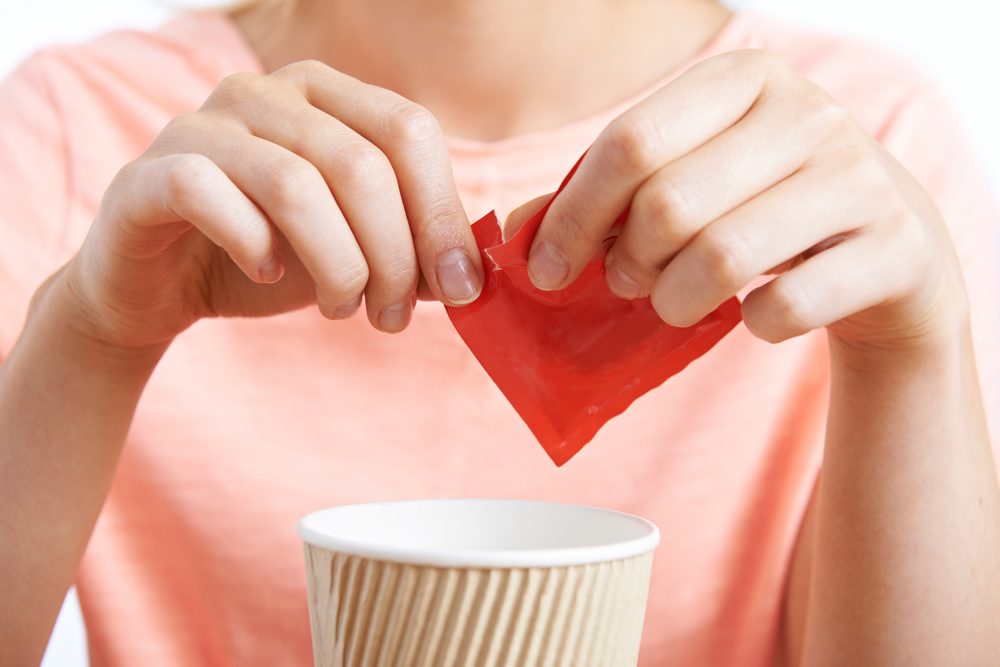
      A grande iced coffee with skim milk and two Splendas, please? Think again—and hold the sweet stuff. “I do not think there is sufficient evidence to prove that most artificial sweeteners are safe for consumers. I prefer to stay away from them and indulge in the real thing [sugar] occasionally and mindfully. Plus, there’s a plethora of research that shows how consuming diet beverages may counter-intuitively lead to weight gain, which can increase your risk of chronic diseases like diabetes and heart disease,” nutritionist, Chelsey Amer, RD, says. That’s not all. These other health perks could happen to your body when you stop eating artificial sweeteners.


      Microwave popcorn


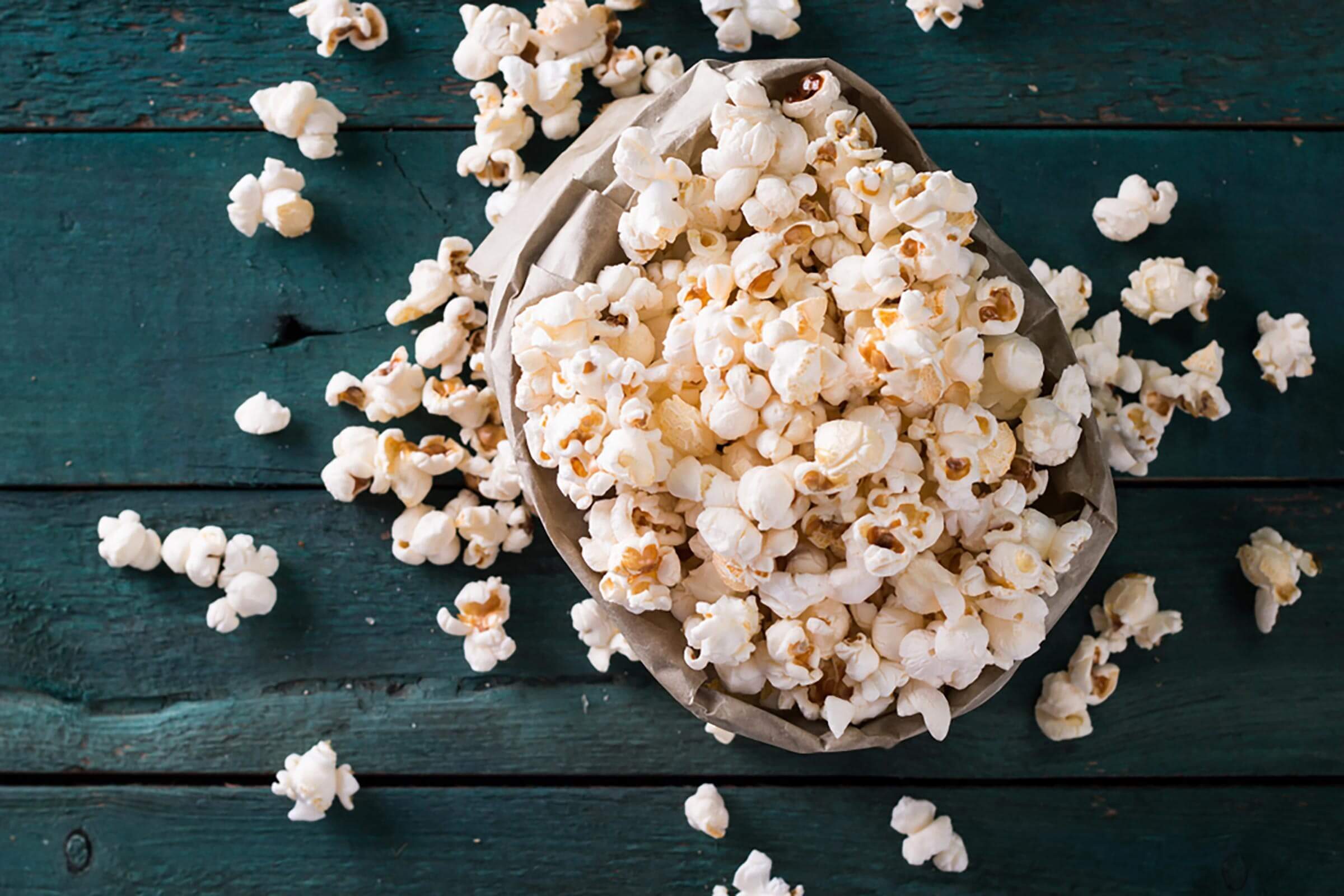
      Love to curl up in front of The Voice with some vino and a buttery bag of popcorn? Resist. “I once ripped open an unpopped microwave popcorn bag and I haven’t eaten it since! There are too many artificial chemicals used in the flavorings inside the microwavable bag. I prefer to avoid overly processed products like this as much as possible,” Amer explains. Make your own with popcorn kernels, a brown paper bag and olive oil with a touch of salt.


      Processed deli meats


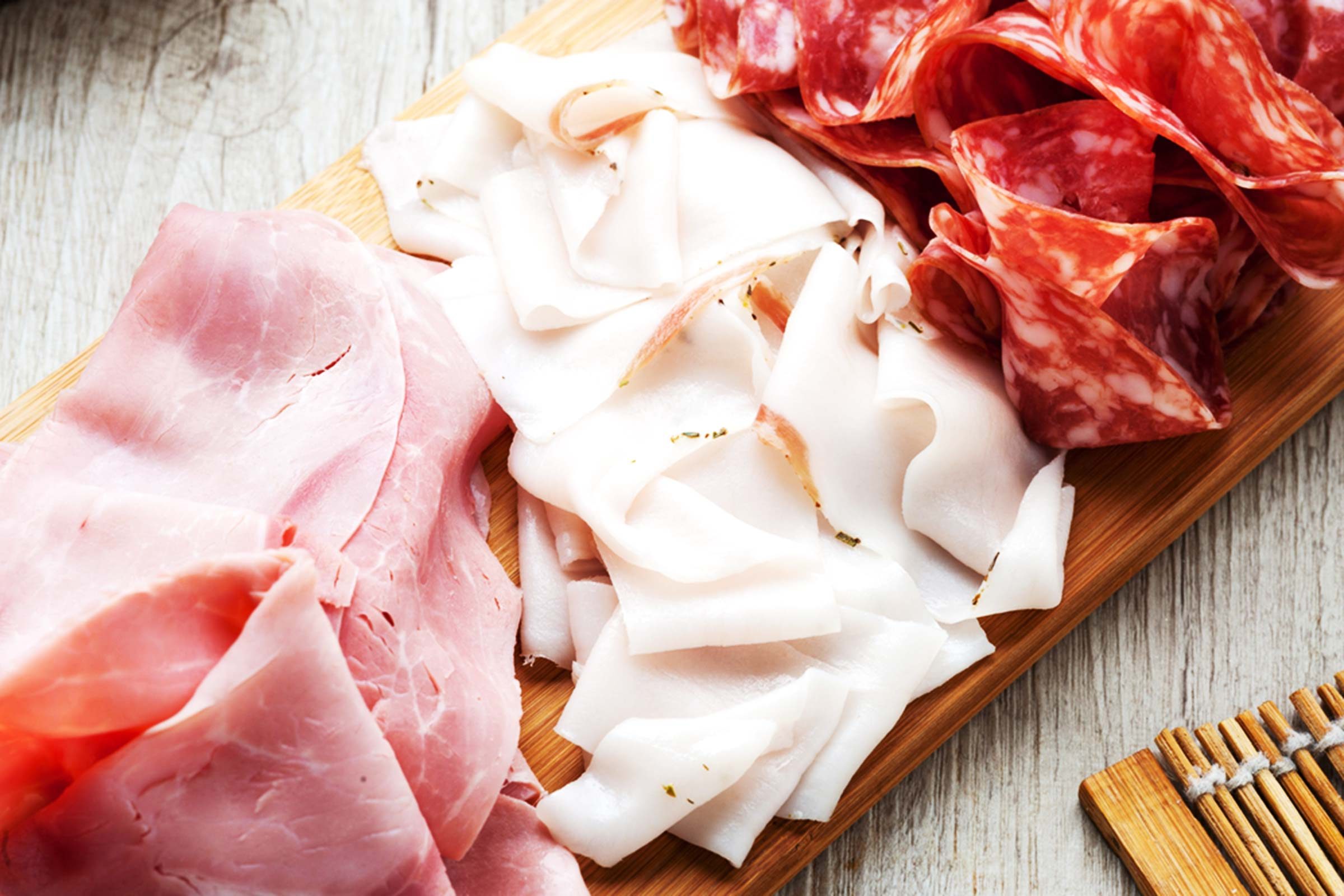
      It’s super-easy to make a turkey club when you buy deli meats in bulk on Sunday for your meal prep. But there may be some dangerous ingredients lurking in those slices. “Processed deli meats can contain a wide variety of additives from nitrates to carrageenan that can increase inflammation in the body and have even been scientifically linked to increased risk in colon cancer,” says Megan Faletra, MS, an integrative dietitian nutritionist, certified yoga Instructor, and founder of The Well Essentials. “Opt for organic, nitrate and antibiotic-free deli meats from brands that are focused on changing the way meat products are produced in the USA.” Make sure you know the gross ingredients you could be eating.


      Reduced-fat peanut butter


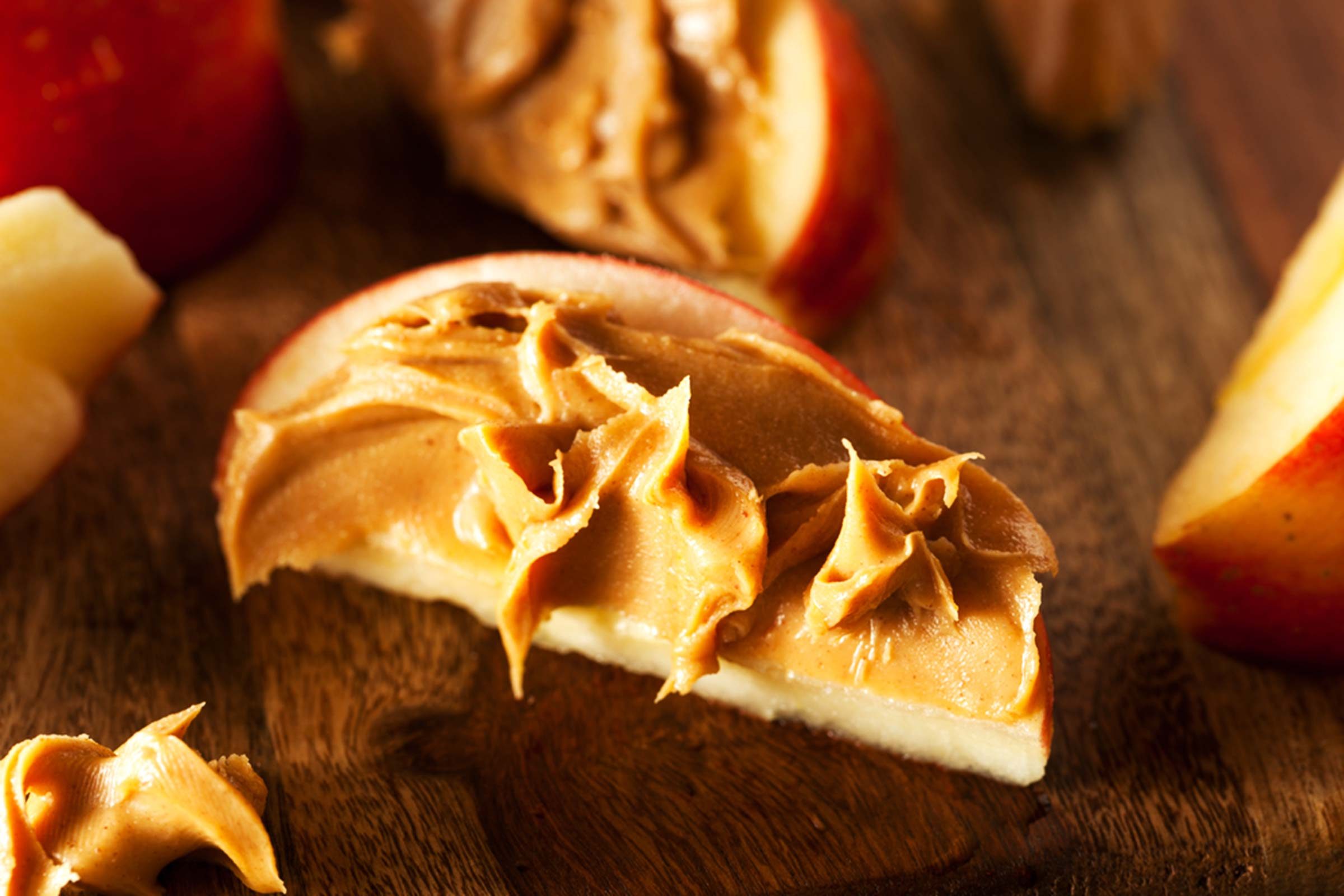
      You’re better off going full fat. “Regular and reduced-fat peanut butter contain roughly the same amount of calories. But the reduced-fat varieties typically contain more added sugar or artificial sweeteners to improve the taste,” says Faletra. “The fat found in peanut butter is healthy for our bodies, so stick to the natural full-fat peanut butters.”


      Margarine


      If the dairy-free life isn’t for you but you’re a waistline watcher, you might reach for the “healthier” margarine. Hold that thought: “Most margarines rely primarily on highly processed vegetable oils (particularly soybean and palm oil),” Faletra says. “Choosing grass-fed organic butter in moderation is a much better option for our health as these butters contain high-levels of heart-healthy omega-3 fatty acids.”


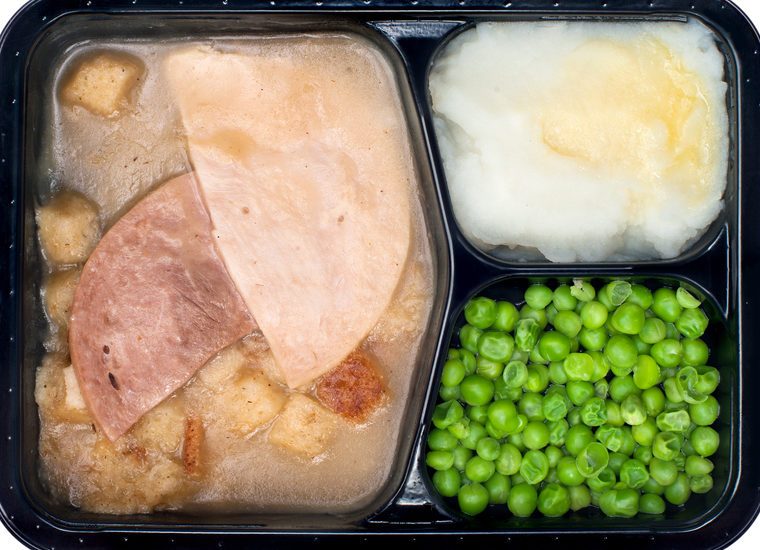
      Most frozen meals


      While nutritionist Ha Nguyen, RDN, used to nom on frozen meals as a kid—nearly every day after high school. Today, she wouldn’t touch one with a 10-foot pole. Why? “Most prepackaged frozen meals are overly processed, made with refined flour, high in sodium, and full of additives and preservatives. All things that are not good for your body,” says Nguyen.


      Pop Tarts


      You might remember these commercials when you were in middle or high school. Maybe you even argued with your pals over which flavor was the best. But Nguyen recommends keeping ’em out of your shopping cart. “You might as well send your kid off to school with a candy bar for breakfast. If you simply look at the first few ingredients they consist of refined sugars including corn syrup, high fructose corn syrup, dextrose, and sugar,” Nguyen says. Opt for these healthier breakfast ideas instead.


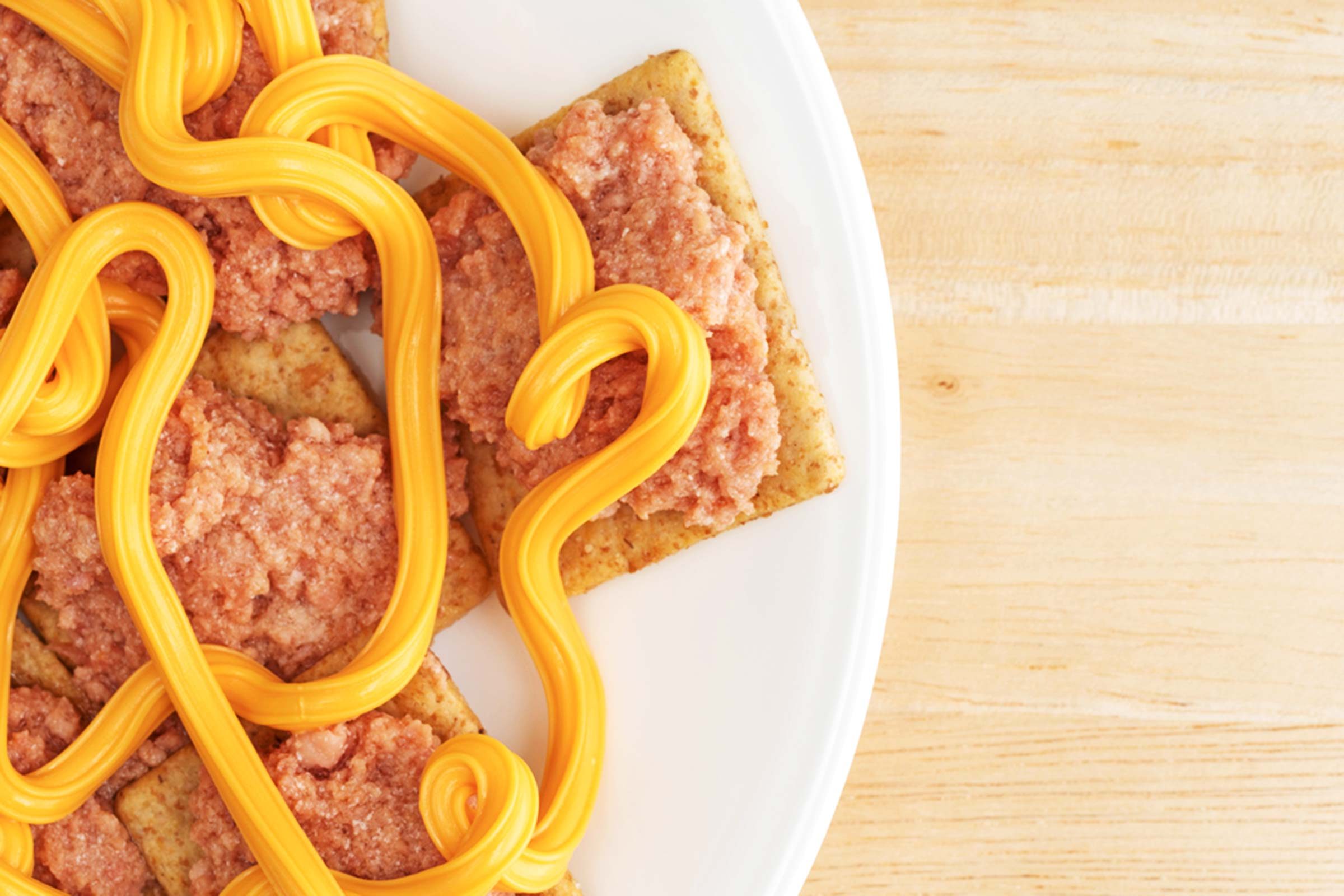
      Cheese in a can


      Though arguably super fun to play with when you’re 16, as far as a nutritional value, there’s not much this canned faux-dairy can offer you. “Cheese spread is highly processed with very little actual ‘cheese’ in it,” says nutritionist Michelle Jaelin, RD. It comes with a laundry list of artificial ingredients and colors that I don’t feel comfortable eating. It is called plastic cheese for a reason! If I want to eat cheese, I eat the real thing,” says.


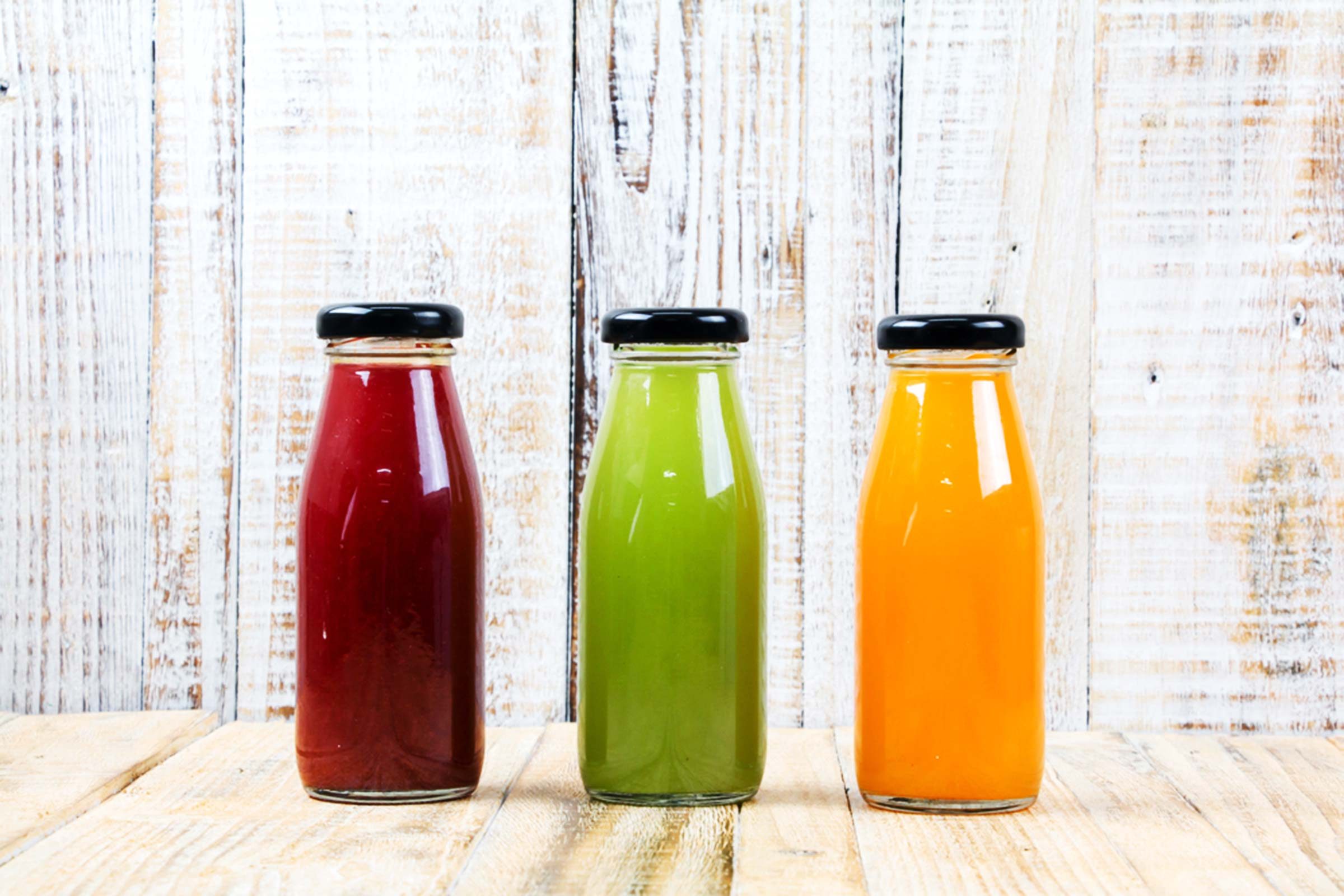
      Boutique fruit juices


      While that carton might claim to give you the vitamins and minerals you need, nutritionist Andy De Santis, RD, says fruit juices—even the boutique ones—are a slippery slope. “The alarming trend of expensive juices is concerning. These products are generally packed in calories and they won’t keep you feeling full or provide anywhere near the full nutritional benefit of eating whole fruits and veggies,” he says. “For reference, eating an apple, orange and banana would take me 10 minutes. Drinking them in a juice—maybe 10 seconds?” That’s a lot of calories in less than a minute.


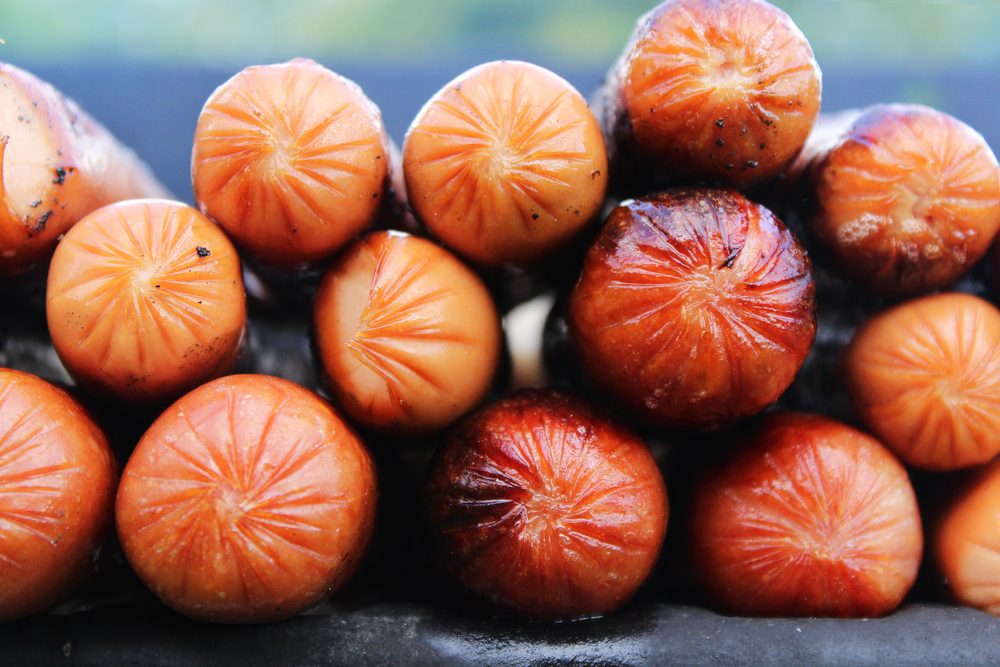
      Sausages, hot dogs


      Take yourself out to the ball game, but skip the hot dog. You might be better off with a brewski and a bag of peanuts. “Not only are hot dogs high in fat and relatively low in protein, which is the exact combination you don’t want in your meat, but they are generally chock-full of sodium, which none of us need more of,” De Santis says. “The icing on the cake? There is a growing body of evidence that connects eating processed meats with an increased risk of cancer in the digestive tract.” These are the clear signs you’re eating too much salt.


      Cheese


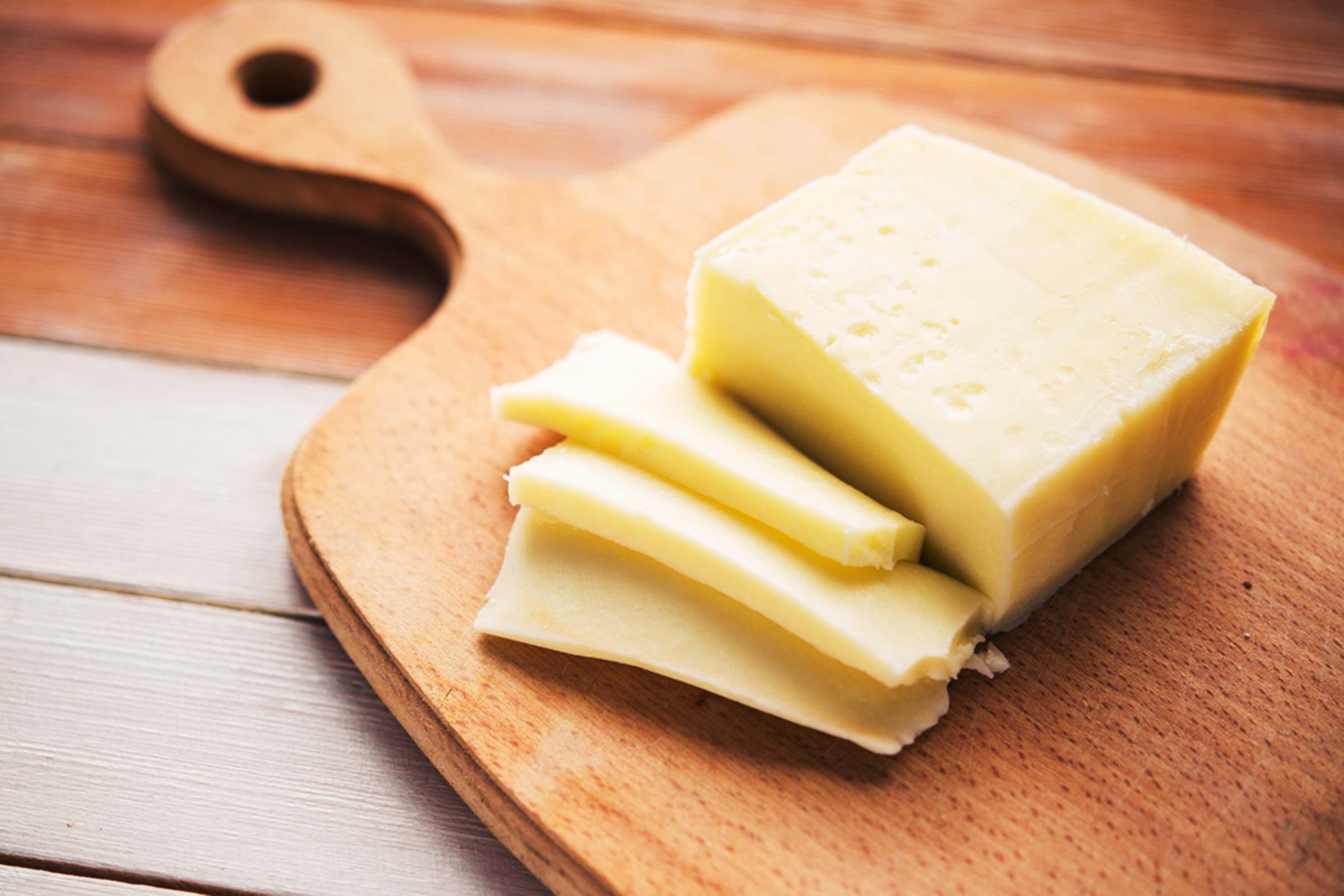
      Say it isn’t so! While everything in moderation is a good rule of thumb for almost anything, De Santis put cheese on the naughty list because there are better ways to get calcium. “Cheese is generally high in calories, saturated fat, and sodium, all of which we need to cut back on. You are better off with a low-fat milk, a soy or almond alternative, or vitamin D-fortified yogurt. Don’t forget that nuts, seeds, legumes and dark leafy greens also contain calcium.”


      Spam


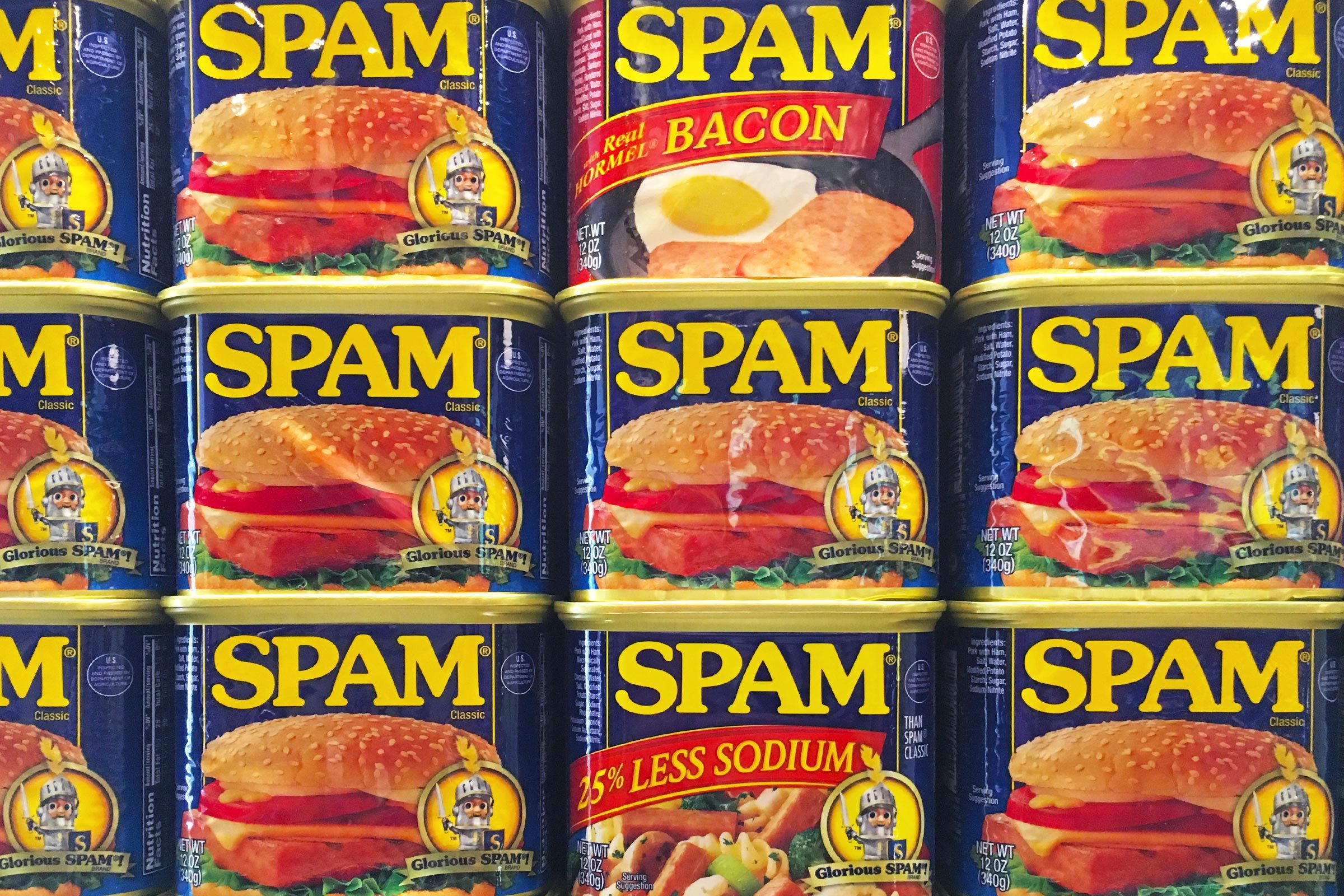
      You may want to pass on meat that comes from a factory instead of a butcher. “Preservatives, sodium, and uncertainty of the meat’s origin are three things that make me worry,” says nutritionist Gabriella Vetere, RDN. “Choose meat that your body can recognize, not one full of chemicals and preservatives,”


      Ramen noodles


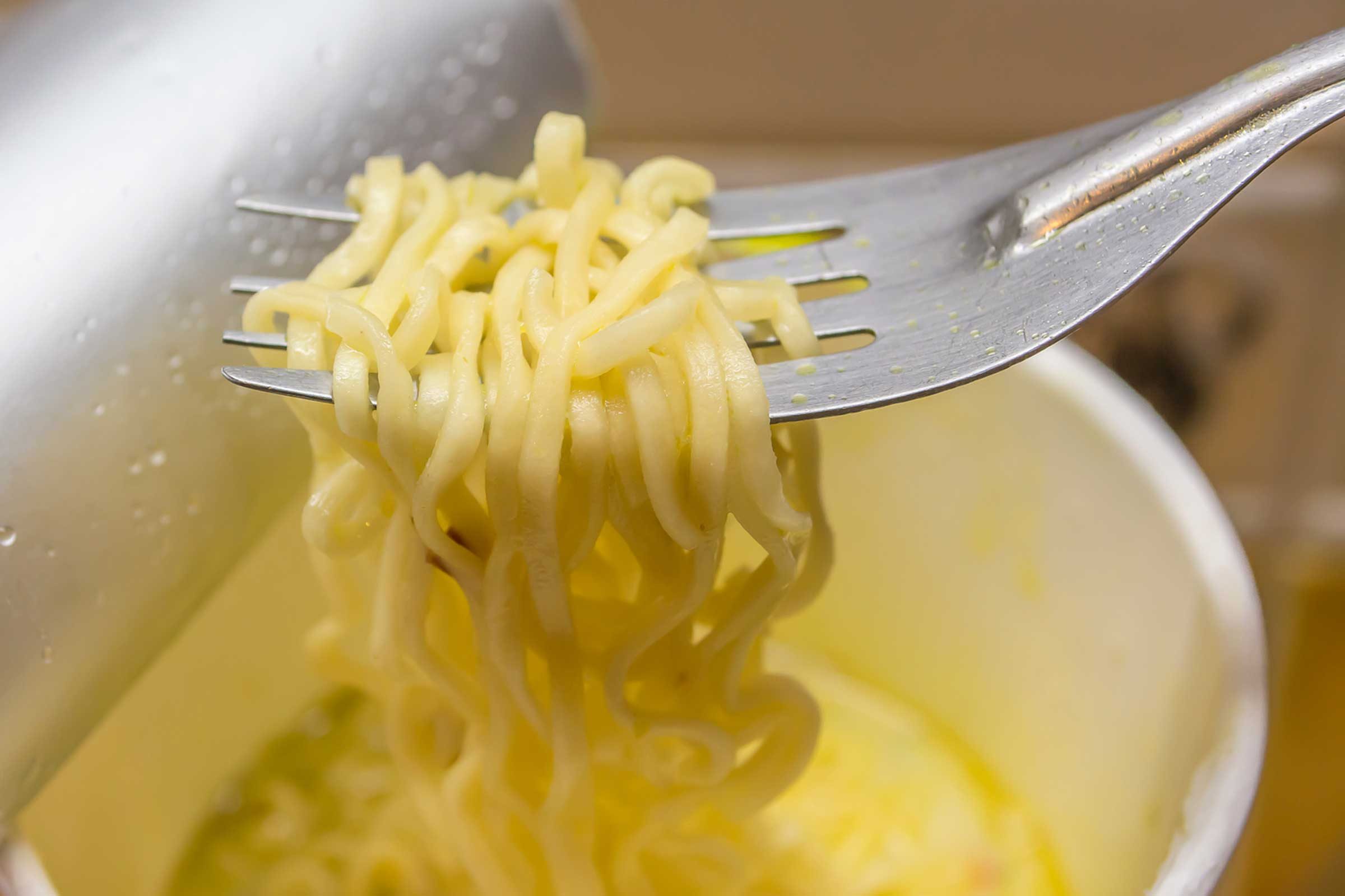
      Your penny-pinching, hungover, inner college student may be weeping, but your body will thank you when you avoid this sodium pit. Exercise physiologist and nutritionist Rachel Straub, MS, certified strength and conditioning specialist and author of Weight Training Without Injury, recommends steering clear of these packaged goods because they’re loaded with salt and very little, if any, nutritional value.


      Lunchables


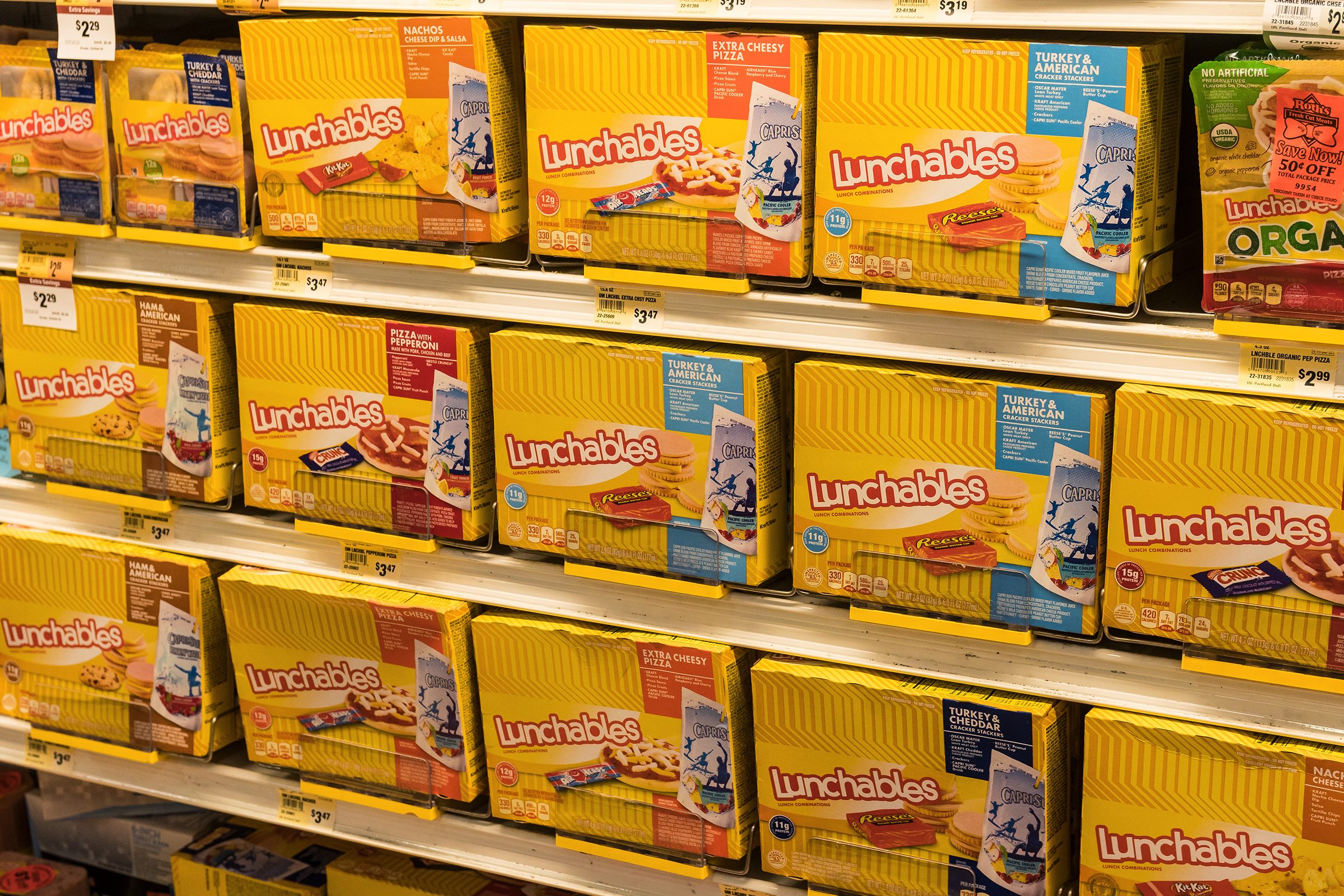
      Though they might seem like a breeze when you’re in a bind with no time to pack a snack for your kiddo, Straub says try to refrain. “Since they have processed meats full of nitrates, refined grains, and candy, of course, this just isn’t a healthy choice,” she says.


      Blended fruit yogurts


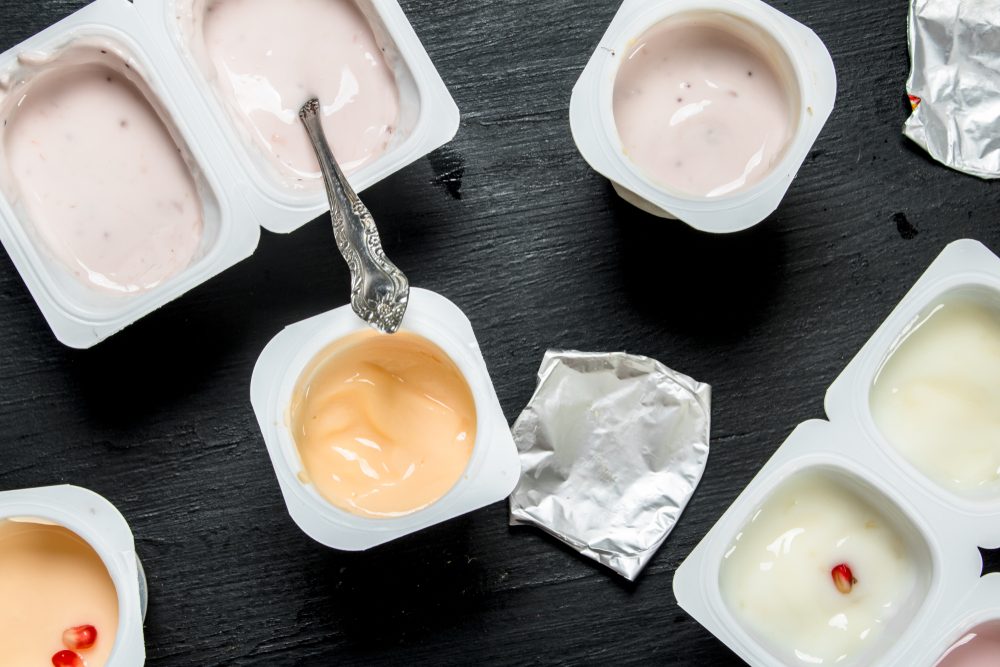
      The commercials are catchy—and they may bring back fond memories of snacking as a kid. But when it comes to getting the essential nutrients that yogurt is meant to deliver, most blended fruit yogurts are a bad idea. As Straub explains, “It is basically dessert for breakfast. Nearly 50 percent of the calories can come from added sugar, so they just aren’t a healthy choice. I would much rather have a plain yogurt with a piece of real fruit.” Or add any of these healthy toppings.”


      Doughnuts


      Your Instagram feed might deliver a different message about these powdered (and sometimes rainbow-colored) haloes of dough. Still, that dozen you pick up before a Monday morning meeting is doing damage, says personal trainer, author, nutritionist, and health and wellness coach Jamie Logie. “Doughnuts are made of refined (possibly GMO) white flour which is super high glycemic.” That means it causes sudden spikes in your blood sugar. “And they’re deep-fried in artery-clogging and cancer-causing trans fats and covered in sugar. They won’t fill you up, make you hungrier and are filled with pretty much the worst ingredients out there.” Here are all the nutritionist-approved snacks you can buy anywhere.


      Fast food burgers


      The healthiest part of those kid meals you used to beg your parents for? Probably the plastic toy. Logie says that while making your own patty on the grill at home can be a good nutritional choice, the one from the fast-food window is questionable. “One hamburger patty can be made up of dozens of different cows that come from feed-lot, confinement-based living. They are pumped full of hormones, have high levels of inflammation and are raised on some pretty horrific feed,” he says. “You then have a high starch white flour bun [which], depending on what you have on it, can contain inferior bacon and essentially plastic-processed cheese.” Get some tips on healthier grilling for your burgers this summer.


      Movie theater popcorn


      Like peanut butter and jelly, toast and butter and macaroni and cheese, some things just seem like they were meant for one another. Though it’s second nature to grab a can of buttery-salty goodness while you check out the latest blockbuster, Logie challenges you to resist. Large sizes at theaters can contain over 1000 calories and 40 grams of fat—and that’s without the butter topping, Logie says. For an alternative, pop your own on the stovetop with some olive oil and salt, and sneak it into the theater. (We promise not to tell!)


      Raw oysters


      Though oysters have an aphrodisiac reputation and can really hit the spot with a glass of white wine on a sunny day, nutritionist Jennifer Bowers, PhD, RD shies away from the slimy mollusk for the threat it can pose on your digestive system. “There are so many potential food-borne illnesses are associated with undercooked seafood—hepatitis A and noroviruses, specifically. Oysters commonly carry Vibrio vulnificus and Vibrio parahaemolyticus,” she explains. “Having said that, I think oysters taste horrible (personal opinion!), so it’s certainly not worth the risk for me. If you’re going to eat oysters, switch from raw ‘on the half shell’ variety to cooked to lower your risk of getting sick.”


      Regular soda


      You probably don’t need us to tell you that even an eight-ounce glass of any soda is bad news for your bod. Just in case you need the reminder, though, Bowers explains just how bad of an idea drinking liquid calories really is. “The sugar load in just one serving is simply not worth the glucose rush, mood issues, headache, and calorie bomb. The huge intake of soda in this country, coupled with a sedentary lifestyle, is strongly associated with the rising obesity epidemic,” she explains. 


      Fat-free packaged foods


      Don’t allow yourself to be fooled by fad ‘diet’ foods, says nutritionist Rima Kleiner, MS, RD. Though it might be a smart marketing move on the part of major food corporations, labels like fat-free, sugar-free, and anything free—are deceptive. “Even after years of research showing us that our bodies need healthful fats, I still hear clients who consider packaged ‘fat free’ foods the pinnacle of healthy eating,” says Kleiner. “But many of these packaged products that should naturally contain fat (think cookies, crackers and bars) replace the fat with sugar, which means you end up with a cookie or other product that contains less fat, maybe a few less calories, but with little to no redeeming nutritional qualities,” she explains.

      “If I’m craving something sweet, I try to make my own so I can use healthful fats like olive oil, flax seeds and avocadoes, or I will just buy a single-serving brownie or cookie from a good bakery to share with my husband or kids,” Kleiner adds.


      Pretzels


      Don’t tell the street vendors in New York City, but their midtown snack is actually terrible for the tourists. Nutritionist Cara Walsh, RD, explains: “Pretzels are basically made out of sugar—simple carbs. The refined-carbohydrate product contains no nutrients that are beneficial for health plus they aren’t satisfying, which is why so many people tend to overeat them.” Here are some other unhealthy foods you’ve been tricked into thinking aren’t so bad.


      Rice cakes


      Once a supposed diet hero, these carb bombs are finally getting the shade they deserve. “Rice cakes are made from a specific carbohydrate that skyrockets your blood sugar,” says Walsh. They still hold a fascination for the calorie conscious, but Walsh is begging everyone to reconsider. Find out about some more foods that are bad for your belly.


      Fruit canned in syrup


      You could swap a slice of cake for fruit cocktail and your body wouldn’t know the difference. “Fruit is naturally sweet enough on its own,” explains nutritionist Amy Gorin, MS RDN. The amount of sugar in the fruit plus the syrup could put most desserts to shame. “If you’re shopping for canned fruit, you can absolutely find fruit that doesn’t contain added sugar, such as varieties canned in water or juice.”


      Boxed cereals


      Easier than whipping up an omelette and faster than brewing a cup of coffee, cereal is a breakfast favorite. But when it comes to offering the vitamins and minerals your body craves to start the day right, nutritionist, Gisela Bouvier, RDN, advises stepping away from the box. “Dry cereals were created to be easy breakfast foods targeted to kids. However, cereals are very high in carbohydrates and offer very little, if any, protein and heart-healthy fats. Most also have a lot of added sugars and lack fiber,” she explains. “As a dietitian, I never recommend dry cereals to clients. Instead, I recommend nutrient-dense complex carbohydrates, such as slow-cooked oatmeal or whole-grain toast.”


      Regular peanut butter


      Forget the uptick in peanut allergies in recent years, or the fact that some folks report increased acne breakouts after eating some PB, there’s even more of a reason to pass on this nut butter, according to Bouvier. Or at the very least, be a lot more selective about what you buy.

      “Not all peanut butters are created equal. Most commercial peanut butters contain added sugar and oils, particularly partially hydrogenated oils. Partially hydrogenated oils are another name for trans fat, which have been linked to cardiovascular disease and other diseases. Unfortunately, when there is less than 0.5 grams of partially hydrogenated oils per serving in a food item, manufacturers are not required to put trans fat on their food labels,” she explains.

      “I recommend reading the ingredients when purchasing peanut butter or any nut butters. When possible, simply look for ‘peanuts’ in the ingredient list or ‘peanuts, salt.'” Make sure you know whether your packaged foods might have hidden saturated fats.


      Frozen diet dinners


      It’s tempting—especially when you get home late and the kids still need a bath—to defrost a frozen-food meal. The convenience isn’t the question, but the nutritional value definitely is. “Many frozen diet dinners claim to be low calorie and healthy. However, most are loaded with sodium and artificial ingredients, and they are also light on the nutrients,” Bouvier says.


      Cheese-flavored snacks


      If you find yourself drawn to cheese-flavored anything, you’d be better off reaching for the real deal instead. Cheese-flavored snacks are full of chemicals, says nutritionist, Ashvini Mashru, MA, RD, LDN. “While you can find plain potato chips cooked in sunflower oil, cheese-flavored snacks are packed with fat, MSG, and artificial flavors and colors. The ingredient list itself explains why a plain potato chip cooked in sunflower oil is many times better than any extruded cheese snack,” she says.


      High-fiber bars


      When you’re traveling and trying to resist that pack of cookies offered to you at 10,000 feet, maybe you reach instead for the high-fiber bar you packed to bolster your will power. While Mashru understands the appeal, it’s actually not a good idea to let a bar take the place of a well-balanced snack that offers protein and healthy fats. Mashru says that really, these popular products are “actually candy bars in disguise.” Instead, snack on these healthy foods you can find in an airport.


      Food dyes


      These mysterious ingredients aren’t really linked to weight gain, but nutritionist Julie Pech warns that anything not natural can be tricky for your body to digest. About eight years ago, Pech discovered she was allergic to food dyes. Anytime she would eat or drink something that contained a food dye, she’d become depressed within 24 hours. “I know when I’ve messed up because my mood will change for no reason. Usually everything is back to normal in a day, once my body has a chance to get rid of it. Many people are allergic to food dyes, and I’m a big advocate for clean-eating,” she says.


      Wheat


      Though there is a trend toward cutting out gluten to shed a few pounds or to feel healthier and thinner, many people suffer from gluten-intolerance or even worse, Celiac disease. For Pech, her son’s allergy to wheat is what prompted her to cut out this ingredient from her diet. “I stopped eating wheat with him because he was only 8 and was convinced his life would end if he couldn’t have pizza (that was before gluten-free pizza),” she explains. “I told him we’d do it together to make it easier for him. Once I stopped, I noticed my mind was much clearer and I had more energy. So I kept going with the wheat-free diet and I love it.” Still, a gluten-free diet isn’t for everyone; make sure you know the potential dangers.


      Frozen breakfast sandwiches


      We’ve all seen the commercials where an anthropomorphic sun promises tons of energy after wolfing down a breakfast sandwich. Don’t fall for this sandwich scam: “These little buggers can actually raise LDL cholesterol levels—the bad cholesterol—and lower good HDL cholesterol, which increases the risk of the number one cause of death in this country: heart disease,” explains nutritionist Cassandra Golden, MS, RD. “There are absolutely no health benefits of trans fats, which are used by food manufacturers to improve texture, shelf life, and as a less expensive alternative to butter or lard. Trans fats earned the nickname ‘bad fats’ for good reason!”


      Non-fat salad dressings


      So you’re faced with a choice: Do you go for the regular dressing on your salad or the non-fat? Neither. Make your own olive oil-and-red wine version. “The fat, especially something like olive oil, can actually help you better absorb nutrients from the vegetables in your salad,” says registered dietitian Tanya Freirich, MS, RD. “Also, when the food company takes out the fat, they usually add a lot of sugar or man-made ingredients to achieve a similar taste. Healthy fats like olive oil, avocado, and nuts are an important part of a well-balanced diet.”


      Sugar-free desserts


      The best news to come out of the dietary revolution of the last decade or so? Probably the condemnation of fat-free and sugar-free foods. You have full permission from those who know best to have an honest-to-goodness hunk of cake instead of something silly (not to mention supremely unsatisfying) like a sugar-free pudding.

      “I’d rather have a small amount of a natural sugar like honey or brown sugar than the processed facsimile of a dessert-like a sugar free-cookie or sugar-free candy,” Freirich says. “The real dessert satisfies my sweet tooth with just a small portion, whereas the sugar-free option never really hits the spot. Eating sugar or fat in moderation can be a part of a healthy, well-balanced diet, and I’d rather eat whole, natural foods than processed ones.” 


      CAFO beef and chicken


      It stands for Concentrated Animal Feeding Operation, and it means just what it says. The animals are crowded together and treated poorly. This is why it’s not just the source of tomato sauce, yogurt, and other packaged goods that need your attention, explains nutrition consultant Karen Brennan: Meat needs watching as well. “Animals need to be eating what is natural to them, and they need to be outdoors with room to roam in a stress-free environment,” she says.

      “Confined animals contain more omega 6’s, which are inflammatory. Grass-fed animals that are pasture-raised have more heart-protective omega 3’s,” says the board-certified holistic nutritionist and herbalist. “You are not only what you eat, but what your food eats. So, what did that chicken eat? What did that cow eat? Was it GMO grains? Were they injected with growth hormones and antibiotics? What impact will this have on your body over time after you consume these foods day after day, year after year?”


      Pasteurized dairy


      Fun fact: humans are the only species that consume dairy post-infancy. While babies might need the enzymes from milk to build their bones and immune system, once you’ve grown, the benefits don’t always outweigh the drawbacks. “The main reasons why I do not consume traditional milk is because of the hormones injected into these cows, the GMO unnatural corn/grain-based diet they are fed, the antibiotics these cows are given and because pasteurization destroys good microbes and enzymes that milk would otherwise contain,” Brennan says.


      Skim milk


      Brennan says skim milk would never be on her breakfast table, no matter what. “The fats in milk build and balance the nervous system. The fat also acts as carrier for the fat-soluble vitamins so that these nutrients get to where they are needed. Personally, I would opt for goat milk instead since it is easier to digest. And it has fewer problematic proteins than does cow milk found in the United States. Also, it’s a myth that you have to eat dairy in order to meet your calcium needs! Your bones are made up of much more than just calcium and you can meet your calcium needs on a plant-based diet.” Thinking about giving up milk? 


      Canola oil


      Yes, canola was a good guy, once upon a time. We fried with it, made cakes, used it in dressings. “Made from rapeseed, most canola oil is genetically modified,” explains functional diagnostic nutritionist Cate Ritter of Cate Ritter Wellness. “Like most vegetable oils, canola is highly processed, refined, bleached and deodorized, which adds toxins and removes nutrients including the omega-3s. The manufacturing process makes it partially hydrogenated.”


      Non-organic corn and products made from corn


      What does this include? Ritter says “corn oil, high-fructose corn syrup, corn syrup, cornstarch, dextrose and maltodextrin.” All of these sneaky ingredients are hanging out in many processed foods, and corn is the second-most common GMO that’s dangerous for your health.


      Refined grains


      Maybe your Thai takeout doesn’t feel complete without rice; neither does Chinese food without noodles. Nonetheless, you’re better off to stick to the chicken and veggies, says Caroline Apovian, MD, director of nutrition and weight management at Boston Medical Center. “There are three parts of a grain: bran, germ, and endosperm. Refined grains remove the bran and germ, while whole grains preserve all three parts. Removing the bran and germ also removes the dietary fiber, B vitamins, and iron from grains. Refined grains include white bread, white rice, and most pastas.”


      Bologna


      Raised below the Mason-Dixon line? Then you likely had a fried bologna sandwich with mayo at some point in your childhood. Though a few sandwiches way back probably don’t pose a major threat, bologna shouldn’t show up on your rolls today. Nutrition expert Kaleigh McMordie, RDN, has a great take: “Meat paste. Who knows what it’s made of? No, thank you. One slice can provide 17 grams of fat, with 7 of them are saturated, and more than 800 mg of sodium. Plus, many have added sugar, starches, and nitrates,” she says.


      Energy drinks


      You may have quickly chugged a Red Bull (or two) to get a night started at one time or another. Nutritionist and dietician Keith Ayoob, Ed.D, says these popular grab-by drinks are quite, well, terrible for you. “These have just lots of caffeine and stimulants. That’s not energy—it’s speed. For real energy you need sleep, and there’s no substitute for that. You may also need a good breakfast, too,” he explains.


      Pre-packaged sushi


      As pretty as they look in the refrigerated section of your grocery store, Ayoob says pre-packaged sushi is a questionable lunch or dinner selection. Not only did he personally have a bad experience once, but there are many factors you don’t know about that spicy tuna roll. Like, how long it’s been sitting there. Or how fresh the fish it. Or, if it’s even real fish to begin with. If you’re craving a roll, the best thing to do is seek a restaurant with a strong health-grade rating. Here’s more on what nutritionists think about sushi.


      Table salt


      Though a staple of nearly every household, Lynn Anderson, PhD, a nutritionist, yoga instructor and health advocate says table salt isn’t the best spice selection for your diet. “Originally produced from mined salt, it starts out as a real food then quickly becomes something else. Manufacturers strip it of all its naturally-occurring minerals and then use a number of additives to dry it and heat it to temperatures of about 1,200 degrees. The salt is then stabilized with dextrose, turning it purple and then bleached white,” she explains. If you can’t kick your craving for a salty taste, Anderson says to reach for Celtic or Himalayan salt instead.


      Agave


      Love a great margarita but hate the morning-after hangover it brings you? Cut out one ingredient that likely makes your head ache: agave. “This sweetener actually spikes the level of fructose in the bloodstream,” says Anderson. “High fructose oils and sweetener increase inflammation which leads to a number of diseases.”


      Soy protein


      Soy protein can be a dangerous ingredient to consume in quantity, especially for women who are sensitive to hormones. “Contrary to what we are led to believe, unfermented soy protein is not that healthy,” warns Anderson. “In the United States, soy is modified to withstand the application of glyphosate, a weed-killer ingredient. Basically we are then eating weed killer with our soy! Long-term use of soy dietary supplements like soy protein is unsafe because it has been linked to disease ranging from hay fever to kidney failure.” These superfoods can actually help you lose weight.


      Non-organic strawberries


      Trying to figure out why that extra $3.00 is needed for an ‘organic’ piece of fruit? Let health coach Michelle Gindi convince you to shell out the extra bucks: “Non-organic strawberries topped this year’s list for the most pesticide-laden produce, and the dinosaur-sized strawberries that we see in grocery stores are nothing close to what nature intended.”


      Table syrup with pancakes


      It’d be tough to get through this list without pancakes and syrup! (Or is it syrup with pancakes?) But instead of just going for the cheapest syrup option at the store, do your research. “Though the bottle makes it look identical to maple syrup, it may be full of artificial ingredients like caramel coloring. It could also be made from high fructose corn syrup instead of any natural sap,” she explains. Avoid these foods that are never worth the calories.


      Canned soup


      Thanks to slow cookers making soup is as easy as it gets, even for amateur chefs. And that’s a good thing. “Most canned soups are notorious for containing excessive amounts of sodium. Too much sodium can put you at risk for health conditions such as hypertension and cardiovascular disease,” explains nutritionist Tracy Lesht, MS, RD.


      Flavored coffee creamers


      Can’t drink your coffee black? You’re better off adding coconut milk, unsweetened almond milk, honey—or just about anything but a coffee creamer with artificial flavorings. Lesht says, “Most coffee creamers are packed with sugar and artificial flavors offering little nutritional value for plenty of calories!” Read on for the worst diet advice nutritionists have ever heard.
      Posted by blog at 8:02 AM No comments:
      Email ThisBlogThis!Share to XShare to FacebookShare to Pinterest
      Labels: Health & Nutrition, Healthy & Happylife
      Older Posts Home
      Subscribe to: Posts (Atom)

      Blog Archive

      • ▼  2021 (82)
        • ▼  February (22)
          • Black coffee can be good for your heart, studies show
          • Coke is launching a new bottle size for the first ...
          • How chocolate fell in love with Valentine's Day
          • 12 products that can help you waste less food in t...
          • Burger King is testing a rewards program. Here's w...
          • Malaysia's top 40 foods
          • The Truth About Doing Yoga for Weight Loss
          • What You Should Know About Walking for Weight Loss
          • The Top Health Benefits of Dates, Explained
          • China Mars mission: Tianwen-1 spacecraft enters in...
          • Why a wellness routine is your top priority amid p...
          • Foods that can reduce stress
          • Habits that reduce stress during a pandemic
          • The Conversation logoWhen dogs bark, are they usin...
          • Best kitten food: Six types to give your young cat...
          • HOW TO MAKE HEALTH AND FITNESS A LIFESTYLE
          • One Serving of This Food Can Significantly Increas...
          • 26 Plants You Should Always Grow Side-By-Side
          • One Surprising Side Effect of Eating Apples, Accor...
          • Most popular dog breeds that are good for families
          • Homemade condiments, dressings and toppings are a ...
          • You don't need land to build habitat; here's how t...
        • ►  January (60)
      • ►  2018 (52)
        • ►  July (52)
      • ►  2017 (446)
        • ►  September (18)
        • ►  August (13)
        • ►  July (29)
        • ►  June (171)
        • ►  May (77)
        • ►  April (138)
      • ►  2016 (3)
        • ►  December (3)
      • ►  2015 (344)
        • ►  December (64)
        • ►  October (12)
        • ►  August (3)
        • ►  May (9)
        • ►  April (6)
        • ►  March (38)
        • ►  February (77)
        • ►  January (135)
      • ►  2014 (19)
        • ►  December (19)
      Picture Window theme. Powered by Blogger.