Showing posts with label wastewater treatment. Show all posts

Monday, September 11, 2017

Great Lakes fish found heavily contaminated with antidepressant drug chemicals


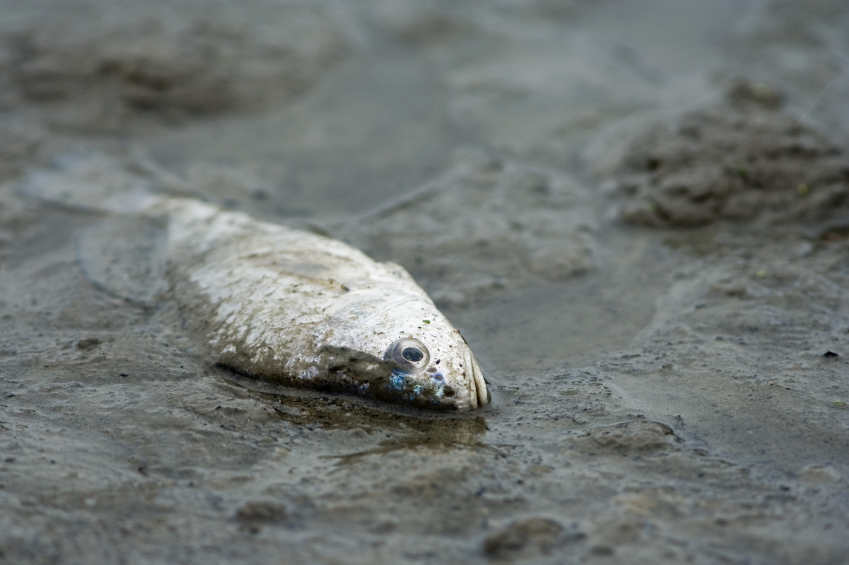
A new study has found alarmingly high concentrations of human antidepressants in several species of fish in the Niagara River, an important conduit connecting Lake Erie with Lake Ontario.
The researchers discovered the presence of antidepressants and their metabolites in brain tissue in fish such as smallmouth bass, largemouth bass, rock bass, white bass, white perch, yellow perch, steelhead, rudd, bowfin, and walleye.
In the most egregious example, a rock bass had 400 nanograms of a metabolite of the active ingredient in Zoloft, norsertraline, per gram of brain tissue, as well as a cocktail of other drug compounds like the metabolites of Prozac, Celexa and Sarafem. More than half of the fish studied had levels of norsertraline in their brains of 100 nanograms per gram or more.
Lab studies have shown that exposure to these drugs can change fish behavior. While these studies generally expose fish to higher concentrations of the drugs than the levels found in the river, it’s important to keep in mind that the antidepressants in the fish’s brains had accumulated over time, greatly exceeding the levels found in the water of the river itself. For example, the levels of norsertraline found in the brains of three species of bass and the walleye were hundreds of times higher than those of the river water.

Wastewater treatment processes do not remove pharmaceuticals

This sad state of affairs is casting the poor performance of wastewater treatment plants in the spotlight. Lead scientist Dr. Diana Aga of the University of Buffalo College of Arts and Sciences said that they are failing to keep up with the times.
According to the National Center for Health Statistics, the number of Americans taking antidepressants rose by a startling 65 percent between 1999-2002 and 2011-2014. In Canada, meanwhile, nine percent of the population takes antidepressants. Part of the problem is that wastewater treatment facilities are simply not keeping pace with the rise in antidepressant use.
Wastewater treatment tends to focus on killing the bacteria that cause diseases and extracting any solid matter, like human feces. This approach ignores antidepressants, which are found in the urine of people who take them, in addition to other worrying chemicals found in personal care products and pharmaceuticals.
Not only are fish receiving this toxic drug cocktail 24 hours a day, but sewage overflowsare adding to the problem by funneling mass quantities of untreated water into lakes and rivers.
In July, a serious sewage dumping incident saw a black cloud take over the Niagara River and a foul smell permeate the air, prompting a criminal investigation into the actions of the Niagara Falls Waste Water Treatment Plant.
These incidents expose the fish and other wildlife in the river to high amounts of toxins in a short period of time, compounding the damage caused by the steady stream of toxins they are normally exposed to.

Antidepressants impacting feeding behavior and survival instincts in fish

While this particular study did not examine the behavior of the fish, past research has shown that antidepressants affect their feeding behavior and their survival instincts, causing them to ignore dangerous predators.
In a release issued by the university, Aga said: “It is a threat to biodiversity, and we should be very concerned.”
The study’s co-author, Dr. Randolph Singh of the University of Buffalo, said that such changes could disrupt the fragile balance among species that maintains the stability of the ecosystem. While humans are unlikely to be in danger because fish brains are not normally consumed, the effects on the environment are not yet fully known.
Their findings were published in the Environmental Science & Technology journal.
Sources include:

Monday, July 31, 2017

Cities dumping human sewage on farm land across America is contaminating the food supply and destroying the ecosystem


Since the EPA started promoting the “land application” of sewage sludge in 1993, millions of tons of this toxic biosludge have been spread on the farmland and public parks in our nation. It also sometimes makes its way to the organic compost and fertilizer section of your favorite garden supply store. What happens to it next? No one can say for sure because it is not tracked once it leaves the wastewater treatment plants and there is no national system for reporting problems related to it, but there is no doubt that is has the potential to cause significant harm given its contents.
One lawsuit from 2008 shows how pervasive this waste can be. In that case, a federal court acknowledged that sludge applications on a Georgia farm killed hundreds of dairy cattle and contaminated the supply of milk across several states. Federal Judge Anthony Alaimo said in his ruling that “senior EPA officials took extraordinary steps to quash scientific dissent and any questioning of EPA’s biosolids program.”
That’s hardly a comforting thought, but the truth is that the EPA has been using fake science and suppressing critics to allow this profitable practice to continue. They even ruined the career of their former microbiologist. Dr. David Lewis, after he blew the whistle on the EPA’s faked safety data.

What is biosludge? You don’t want to know…

Biosolids is simply a euphemism intended to make sewage sludge sound slightly more appealing than it actually is. Sludge is so much more than simply urine and feces, although that is certainly a big part of it. It is also anything that goes into the sewer system and comes out as a solid from wastewater treatment plants. It might be hospital waste, road runoff, drugs, detergents poured down people’s drains, bacteria and viruses, heavy metals, and any of tens of thousands of synthetic chemicals used in industry or the chemicals created by combining them. Some of these chemicals are persistent organic pollutants that resist decomposing and build up in the tissue of humans and animals alike. You don’t need to be a scientist to realize the dangers here, yet EPA officials have the audacity to say that a mysterious phenomenon known as “sludge magic” keeps this lethal mixture from being as dangerous as it sounds.
In other words, all those dangerous chemicals the well-informed among us do everything in our power to avoid – phthalates, endocrine disruptors, hormones from birth control pills – are all being dumped on our yards, playgrounds, food, parks, gardens and fields so municipalities can get rid of it to accommodate even more waste. Some of them even do it while proudly proclaiming they’re “recycling,” something that improves their public image. There is also a lot of money to be made for the sludge hauling companies that the municipal authorities contract to remove biosludge from treatment plants, and their government connections mean this practice is unlikely to be stopped any time soon.
Biosludge in the air and water has been linked to everything from cancer and immune system damage to birth defects and neurological problems. Some experts even believe that it is one of the biggest health threats the American public is currently facing, and it’s particularly insidious because so few people are even aware that this situation is occurring. For many, it’s hard to believe that the EPA’s 503 rule would allow sewage sludge that contains all of these pollutants to be spread, injected and sprayed on land where kids play and food grows.
Our ecosystem and food supply continue to be put at risk thanks to this dangerous practice, and the one agency that is supposed to protect the environment is actually paving the way for the atrocity to continue.
Sources include: