Showing posts with label Antidepressants. Show all posts

Monday, September 11, 2017

Great Lakes fish found heavily contaminated with antidepressant drug chemicals


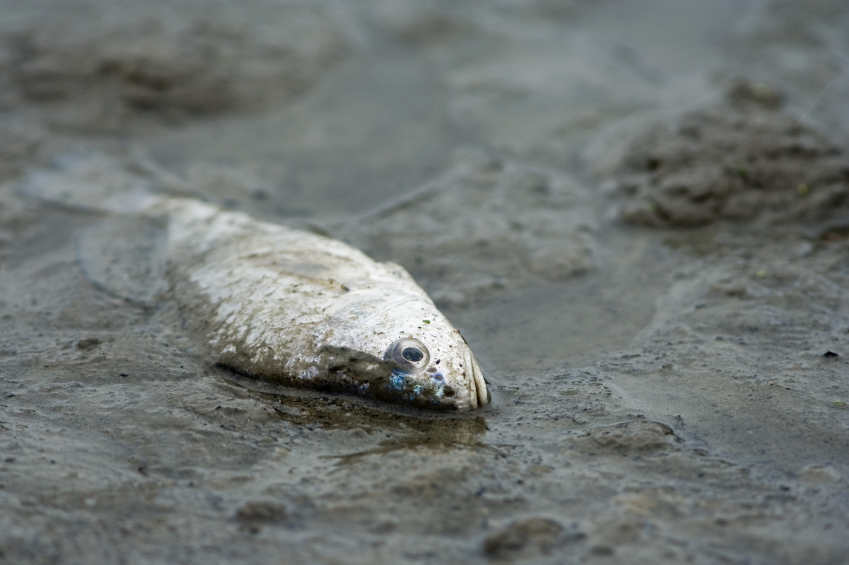
A new study has found alarmingly high concentrations of human antidepressants in several species of fish in the Niagara River, an important conduit connecting Lake Erie with Lake Ontario.
The researchers discovered the presence of antidepressants and their metabolites in brain tissue in fish such as smallmouth bass, largemouth bass, rock bass, white bass, white perch, yellow perch, steelhead, rudd, bowfin, and walleye.
In the most egregious example, a rock bass had 400 nanograms of a metabolite of the active ingredient in Zoloft, norsertraline, per gram of brain tissue, as well as a cocktail of other drug compounds like the metabolites of Prozac, Celexa and Sarafem. More than half of the fish studied had levels of norsertraline in their brains of 100 nanograms per gram or more.
Lab studies have shown that exposure to these drugs can change fish behavior. While these studies generally expose fish to higher concentrations of the drugs than the levels found in the river, it’s important to keep in mind that the antidepressants in the fish’s brains had accumulated over time, greatly exceeding the levels found in the water of the river itself. For example, the levels of norsertraline found in the brains of three species of bass and the walleye were hundreds of times higher than those of the river water.

Wastewater treatment processes do not remove pharmaceuticals

This sad state of affairs is casting the poor performance of wastewater treatment plants in the spotlight. Lead scientist Dr. Diana Aga of the University of Buffalo College of Arts and Sciences said that they are failing to keep up with the times.
According to the National Center for Health Statistics, the number of Americans taking antidepressants rose by a startling 65 percent between 1999-2002 and 2011-2014. In Canada, meanwhile, nine percent of the population takes antidepressants. Part of the problem is that wastewater treatment facilities are simply not keeping pace with the rise in antidepressant use.
Wastewater treatment tends to focus on killing the bacteria that cause diseases and extracting any solid matter, like human feces. This approach ignores antidepressants, which are found in the urine of people who take them, in addition to other worrying chemicals found in personal care products and pharmaceuticals.
Not only are fish receiving this toxic drug cocktail 24 hours a day, but sewage overflowsare adding to the problem by funneling mass quantities of untreated water into lakes and rivers.
In July, a serious sewage dumping incident saw a black cloud take over the Niagara River and a foul smell permeate the air, prompting a criminal investigation into the actions of the Niagara Falls Waste Water Treatment Plant.
These incidents expose the fish and other wildlife in the river to high amounts of toxins in a short period of time, compounding the damage caused by the steady stream of toxins they are normally exposed to.

Antidepressants impacting feeding behavior and survival instincts in fish

While this particular study did not examine the behavior of the fish, past research has shown that antidepressants affect their feeding behavior and their survival instincts, causing them to ignore dangerous predators.
In a release issued by the university, Aga said: “It is a threat to biodiversity, and we should be very concerned.”
The study’s co-author, Dr. Randolph Singh of the University of Buffalo, said that such changes could disrupt the fragile balance among species that maintains the stability of the ecosystem. While humans are unlikely to be in danger because fish brains are not normally consumed, the effects on the environment are not yet fully known.
Their findings were published in the Environmental Science & Technology journal.
Sources include:

Monday, June 12, 2017

Eating junk food causes DEPRESSION that most people treat with pills rather than nutrition


 Depression is on the rise, and there is no shortage of advice out there for the 15 million American adults who suffer from it. Unfortunately, a lot of this advice steers people toward taking antidepressants, which opens them up to a whole other world of problems that can be even more devastating than the disease itself.
You might come across articles touting the benefits of therapy, which is a safe and effective route for many sufferers, but another very valid approach that can help people make real progress tends to get glossed over: A healthy, well-balanced diet. Some articles about depression might briefly mention getting a good night’s sleep and eating a proper diet almost as an afterthought, but the significance of proper nutrition when it comes to depression is far greater than many people realize.
In fact, Dutch scientists recently found that the damage to tiny blood vessels caused by a poor diet can increase a person’s risk of depression by nearly 60 percent. Eating junk food can lead to high blood pressure and diabetes, both of which can destroy the tiny blood vessels known as capillaries that carry oxygen throughout the body. When these capillaries are damaged, the body’s organs get a reduced supply of oxygen. The kidneys, nerves, skin and eyes can all be affected, and one organ that is particularly vulnerable is the brain. A lack of oxygen to the brain disrupts chemical levels, and this neurotransmitter imbalance is believed to be a cause of depression.
Their conclusion was reached after analyzing data from more than 43,000 adults above the age of 40 — 9,203 of whom had been diagnosed with depression — across 712 studies. Those whose blood showed signs of injury had a 58 percent higher risk of developing depression, while those who had endured small strokes due to capillary failure had a 30 percent higher risk of depression.

Study after study links poor diet to depression

This supports the findings of a study published earlier this year in BMC Medicine wherein depressed people who switched from a poor diet to a healthier Mediterranean diet noted a significant improvement in their levels of depression. In that study, nearly a third of those who cleaned up their diet found their depression symptoms going into complete remission.
The Mediterranean diet focuses on organic fruits and vegetables, whole grains, and olive oil, as well as legumes and nuts. It’s low in meat, while dairy and alcohol intake are moderate. Another study from the Journal of the American Medical Association found that those who closely adhere to the Mediterranean diet had a risk of depression that was 30 percent lower than those who did not follow it.
Meanwhile, a study that was carried out by University of Melbourne researchers involving more than 900 women over the course of ten years found that those who ate a diet that was high in foods like pizzas, hamburgers, white bread, beer, and sugary foods were 50 percent more likely to suffer from depression or anxiety than those who did not eat such an unhealthy diet.

Look to your kitchen, not a pill bottle

Improving your diet might sound like a simple solution, but the reality of giving up longstanding habits can be quite a challenge – and pharmaceutical companies have a lot at stake in convincing you that their pills are a convenient answer. Popping a pill is indeed a lot easier than giving your diet an overhaul, but many people who take the easy way out end up regretting it.
Not only are most antidepressants shockingly ineffective, but they’ve also been associated with side effects like nausea, weight gain, insomnia, loss of sexual desire, and an increased risk of suicide. Eating a nutritious diet, on the other hand, has side effects like improved heart health, weight loss, increased energy, better overall health, and increased longevity. If you’re depressed and want to improve your mental and physical health at the same time, these studies show you won’t find the answer in a pill bottle; you’ll find it in your kitchen.
Sources: